Smeyers, Paul Author
Biography not available.

Browse all FOLKLORE books
Browse all GARDENS books
Browse all GRAPHIC NOVELS books
Browse all HISTORY - MEDIEVAL books
Browse all HUMOUR books
Browse all Juvenile Fiction : Biographical - Other books
Browse all Juvenile Fiction : Historical - Other books
Browse all Juvenile Fiction : Legends, Myths, & Fables - Other books
Browse all Juvenile Fiction : People & Places - Other books
Browse all Juvenile Fiction : People & Places - United States - Other books
Browse all Juvenile Fiction : Religious - Other books
Browse all Juvenile Nonfiction : History - Other books
Browse all Juvenile Nonfiction : Mathematics - Advanced books
Browse all Juvenile Nonfiction : People & Places - Other books
Browse all Juvenile Nonfiction : People & Places - United States - Othe books
Browse all LITERARY STUDIES books
Browse all LONDON books
Browse all Medical : Nursing - Mental Health books
Browse all MIND books
Browse all MUSEOLOGY books
Browse all NON-CLASSIFIABLE books
Browse all NONLINEAR SCIENCE books
Browse all POPULAR SCIENCE books
Browse all RELIGIOUS STUDIES books
Browse all SPIRIT books
Browse all SPORT books
Browse all TRAVEL WRITING books
 Out of Stock
Paperback · ISBN 9781107401617
Inclusive of GST and other taxes
Arriving at your doorstep in 10-15 days
Our logisitcs team will make sure everyitem is delivered safely
| ISBN | 9781107401617 |
|---|---|
| Publisher | Cambridge University Press |
| Publication date | November 2014 |
| Language | English |
| MRP | £36.00 GBP |
| Page count | 230 |
| Item weight | 69 g |
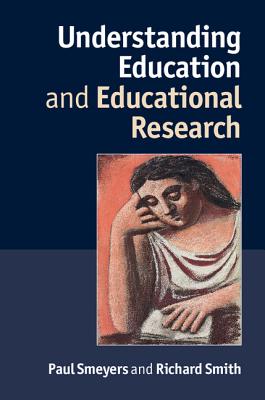
Educational research is widely believed to be essentially empirical, consisting mainly of collecting and analysing data, with randomised control trials as the 'gold standard'. This book argues that good educational research is often philosophical in nature. Offering a critical overview of the current state of educational research, the authors argue that there are two factors in particular that distort it. One is that throughout the world it is expected to serve the interests of the state in securing educational improvements, as measured by standardised examination results, and to demonstrate 'scientific' credentials sufficient to guarantee absence of ideological bias and carry conviction. The other is that learning to do educational research is generally seen as a matter of being trained in empirical 'research methods'. The authors demonstrate, by contrast, that good educational research needs the rigorous thinking characteristic of philosophy, and that philosophical treatments themselves sometimes constitute such research.
Log in to write a review for this book.
No reviews yet. Be the first to share your opinion.
Biography not available.
Biography not available.