Cohen, Lizabeth Author
Biography not available.

Browse all FOLKLORE books
Browse all GARDENS books
Browse all GRAPHIC NOVELS books
Browse all HISTORY - MEDIEVAL books
Browse all HUMOUR books
Browse all Juvenile Fiction : Biographical - Other books
Browse all Juvenile Fiction : Historical - Other books
Browse all Juvenile Fiction : Legends, Myths, & Fables - Other books
Browse all Juvenile Fiction : People & Places - Other books
Browse all Juvenile Fiction : People & Places - United States - Other books
Browse all Juvenile Fiction : Religious - Other books
Browse all Juvenile Nonfiction : History - Other books
Browse all Juvenile Nonfiction : Mathematics - Advanced books
Browse all Juvenile Nonfiction : People & Places - Other books
Browse all Juvenile Nonfiction : People & Places - United States - Othe books
Browse all LITERARY STUDIES books
Browse all LONDON books
Browse all Medical : Nursing - Mental Health books
Browse all MIND books
Browse all MUSEOLOGY books
Browse all NON-CLASSIFIABLE books
Browse all NONLINEAR SCIENCE books
Browse all POPULAR SCIENCE books
Browse all RELIGIOUS STUDIES books
Browse all SPIRIT books
Browse all SPORT books
Browse all TRAVEL WRITING books
 Out of Stock
Paperback · ISBN 9781107431799
Inclusive of GST and other taxes
Arriving at your doorstep in 10-15 days
Our logisitcs team will make sure everyitem is delivered safely
| ISBN | 9781107431799 |
|---|---|
| Publisher | Cambridge University Press |
| Publication date | June 2014 |
| Language | English |
| MRP | £24.00 GBP |
| Page count | 570 |
| Item weight | 144 g |
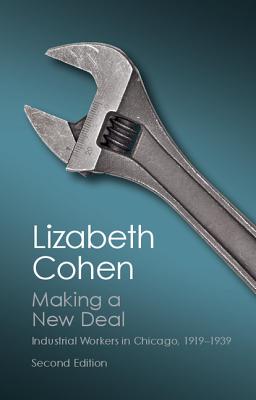
This book examines how it was possible and what it meant for ordinary factory workers to become effective unionists and national political participants by the mid-1930s. We follow Chicago workers as they make choices about whether to attend ethnic benefit society meetings or to go to the movies, whether to shop in local neighborhood stores or patronize the new A & P. As they made daily decisions like these, they declared their loyalty in ways that would ultimately have political significance. When the depression worsened in the 1930s, workers adopted new ideological perspectives and overcame longstanding divisions among themselves to mount new kinds of collective action. Chicago workers' experiences all converged to make them into New Deal Democrats and CIO unionists. First printed in 1990, Making a New Deal has become an established classic in American history. The second edition includes a new preface by Lizabeth Cohen.
Log in to write a review for this book.
No reviews yet. Be the first to share your opinion.
Biography not available.