James, David Author
Biography not available.

Browse all FOLKLORE books
Browse all GARDENS books
Browse all GRAPHIC NOVELS books
Browse all HISTORY - MEDIEVAL books
Browse all HUMOUR books
Browse all Juvenile Fiction : Biographical - Other books
Browse all Juvenile Fiction : Historical - Other books
Browse all Juvenile Fiction : Legends, Myths, & Fables - Other books
Browse all Juvenile Fiction : People & Places - Other books
Browse all Juvenile Fiction : People & Places - United States - Other books
Browse all Juvenile Fiction : Religious - Other books
Browse all Juvenile Nonfiction : History - Other books
Browse all Juvenile Nonfiction : Mathematics - Advanced books
Browse all Juvenile Nonfiction : People & Places - Other books
Browse all Juvenile Nonfiction : People & Places - United States - Othe books
Browse all LITERARY STUDIES books
Browse all LONDON books
Browse all Medical : Nursing - Mental Health books
Browse all MIND books
Browse all MUSEOLOGY books
Browse all NON-CLASSIFIABLE books
Browse all NONLINEAR SCIENCE books
Browse all POPULAR SCIENCE books
Browse all RELIGIOUS STUDIES books
Browse all SPIRIT books
Browse all SPORT books
Browse all TRAVEL WRITING books
 Out of Stock
Paperback · ISBN 9781107527829
Inclusive of GST and other taxes
Arriving at your doorstep in 10-15 days
Our logisitcs team will make sure everyitem is delivered safely
| ISBN | 9781107527829 |
|---|---|
| Publisher | Cambridge University Press |
| Publication date | March 2018 |
| Language | English |
| MRP | £34.00 GBP |
| Page count | 240 |
| Item weight | 72 g |
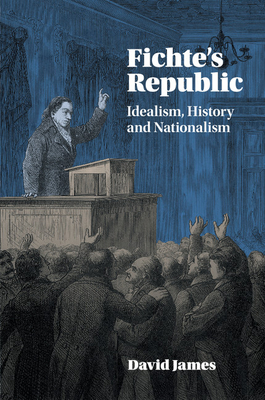
The Addresses to the German Nation (1808) is one of Fichte's best-known works. It is also his most controversial work because of its nationalist elements. In this book, David James places this text and its nationalism within the context provided by Fichte's philosophical, educational and moral project of creating a community governed by pure practical reason, in which his own foundational philosophical science or Wissenschaftslehre could achieve general recognition. Rather than marking a break in Fichte's philosophy, the Addresses to the German Nation and some lesser-known texts from the same period are shown to develop themes already present in his earlier writings. The themes discussed include the opposition between idealism and dogmatism, the role of Fichte's 'popular' lectures and writings in leading individuals to the standpoint of idealism, the view of history demanded by idealism and the role of the state in history.
Log in to write a review for this book.
No reviews yet. Be the first to share your opinion.
Biography not available.