Marler, Scott P. Author
Biography not available.

Browse all FOLKLORE books
Browse all GARDENS books
Browse all GRAPHIC NOVELS books
Browse all HISTORY - MEDIEVAL books
Browse all HUMOUR books
Browse all Juvenile Fiction : Biographical - Other books
Browse all Juvenile Fiction : Historical - Other books
Browse all Juvenile Fiction : Legends, Myths, & Fables - Other books
Browse all Juvenile Fiction : People & Places - Other books
Browse all Juvenile Fiction : People & Places - United States - Other books
Browse all Juvenile Fiction : Religious - Other books
Browse all Juvenile Nonfiction : History - Other books
Browse all Juvenile Nonfiction : Mathematics - Advanced books
Browse all Juvenile Nonfiction : People & Places - Other books
Browse all Juvenile Nonfiction : People & Places - United States - Othe books
Browse all LITERARY STUDIES books
Browse all LONDON books
Browse all Medical : Nursing - Mental Health books
Browse all MIND books
Browse all MUSEOLOGY books
Browse all NON-CLASSIFIABLE books
Browse all NONLINEAR SCIENCE books
Browse all POPULAR SCIENCE books
Browse all RELIGIOUS STUDIES books
Browse all SPIRIT books
Browse all SPORT books
Browse all TRAVEL WRITING books
 Out of Stock
MERCHANTS CAPITAL
Paperback · ISBN 9781107557543
Inclusive of GST and other taxes
Arriving at your doorstep in 10-15 days
Our logisitcs team will make sure everyitem is delivered safely
| ISBN | 9781107557543 |
|---|---|
| Subtitle | MERCHANTS CAPITAL |
| Publisher | Cambridge University Press |
| Publication date | August 2015 |
| Language | English |
| MRP | £33.00 GBP |
| Page count | 334 |
| Item weight | 109 g |
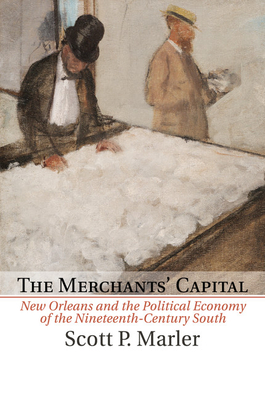
As cotton production shifted toward the southwestern states during the first half of the nineteenth century, New Orleans became increasingly important to the South's plantation economy. Handling the city's wide-ranging commerce was a globally oriented business community that represented a qualitatively unique form of wealth accumulation - merchant capital - that was based on the extraction of profit from exchange processes. However, like the slave-based mode of production with which they were allied, New Orleans merchants faced growing pressures during the antebellum era. Their complacent failure to improve the port's infrastructure or invest in manufacturing left them vulnerable to competition from the fast-developing industrial economy of the North, weaknesses that were fatally exposed during the Civil War and Reconstruction. Changes to regional and national economic structures after the Union victory prevented New Orleans from recovering its commercial dominance, and the former first-rank American city quickly devolved into a notorious site of political corruption and endemic poverty.
Log in to write a review for this book.
No reviews yet. Be the first to share your opinion.
Biography not available.