Longman, Timothy Author
Biography not available.

Browse all FOLKLORE books
Browse all GARDENS books
Browse all GRAPHIC NOVELS books
Browse all HISTORY - MEDIEVAL books
Browse all HUMOUR books
Browse all Juvenile Fiction : Biographical - Other books
Browse all Juvenile Fiction : Historical - Other books
Browse all Juvenile Fiction : Legends, Myths, & Fables - Other books
Browse all Juvenile Fiction : People & Places - Other books
Browse all Juvenile Fiction : People & Places - United States - Other books
Browse all Juvenile Fiction : Religious - Other books
Browse all Juvenile Nonfiction : History - Other books
Browse all Juvenile Nonfiction : Mathematics - Advanced books
Browse all Juvenile Nonfiction : People & Places - Other books
Browse all Juvenile Nonfiction : People & Places - United States - Othe books
Browse all LITERARY STUDIES books
Browse all LONDON books
Browse all Medical : Nursing - Mental Health books
Browse all MIND books
Browse all MUSEOLOGY books
Browse all NON-CLASSIFIABLE books
Browse all NONLINEAR SCIENCE books
Browse all POPULAR SCIENCE books
Browse all RELIGIOUS STUDIES books
Browse all SPIRIT books
Browse all SPORT books
Browse all TRAVEL WRITING books
 Out of Stock
Paperback · ISBN 9781107678095
Inclusive of GST and other taxes
Arriving at your doorstep in 10-15 days
Our logisitcs team will make sure everyitem is delivered safely
| ISBN | 9781107678095 |
|---|---|
| Publisher | Cambridge University Press |
| Publication date | July 2017 |
| Language | English |
| MRP | £28.00 GBP |
| Page count | 390 |
| Item weight | 115 g |
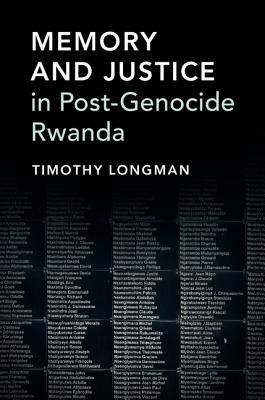
Following times of great conflict and tragedy, many countries implement programs and policies of transitional justice, none more extensive than in post-genocide Rwanda. Placing Rwanda's transitional justice initiatives in their historical and political context, this book examines the project undertaken by the post-genocide government to shape the collective memory of the Rwandan population, both through political and judicial reforms but also in public commemorations and memorials. Drawing on over two decades of field research in Rwanda, Longman uses surveys and comparative local case studies to explore Rwanda's response both at a governmental and local level. He argues that despite good intentions and important innovations, Rwanda's authoritarian political context has hindered the ability of transnational justice to bring the radical social and political transformations that its advocates hoped. Moreover, it continues to heighten the political and economic inequalities that underline ethnic divisions and are an important ongoing barrier to reconciliation.
Log in to write a review for this book.
No reviews yet. Be the first to share your opinion.
Biography not available.