Fortier, Edwige Author
Biography not available.

Browse all FOLKLORE books
Browse all GARDENS books
Browse all GRAPHIC NOVELS books
Browse all HISTORY - MEDIEVAL books
Browse all HUMOUR books
Browse all Juvenile Fiction : Biographical - Other books
Browse all Juvenile Fiction : Historical - Other books
Browse all Juvenile Fiction : Legends, Myths, & Fables - Other books
Browse all Juvenile Fiction : People & Places - Other books
Browse all Juvenile Fiction : People & Places - United States - Other books
Browse all Juvenile Fiction : Religious - Other books
Browse all Juvenile Nonfiction : History - Other books
Browse all Juvenile Nonfiction : Mathematics - Advanced books
Browse all Juvenile Nonfiction : People & Places - Other books
Browse all Juvenile Nonfiction : People & Places - United States - Othe books
Browse all LITERARY STUDIES books
Browse all LONDON books
Browse all Medical : Nursing - Mental Health books
Browse all MIND books
Browse all MUSEOLOGY books
Browse all NON-CLASSIFIABLE books
Browse all NONLINEAR SCIENCE books
Browse all POPULAR SCIENCE books
Browse all RELIGIOUS STUDIES books
Browse all SPIRIT books
Browse all SPORT books
Browse all TRAVEL WRITING books
 Out of Stock
Paperback · ISBN 9781108441858
Inclusive of GST and other taxes
Arriving at your doorstep in 10-15 days
Our logisitcs team will make sure everyitem is delivered safely
| ISBN | 9781108441858 |
|---|---|
| Publisher | Cambridge University Press |
| Publication date | September 2020 |
| Language | English |
| MRP | £34.00 GBP |
| Page count | 254 |
| Item weight | 76 g |
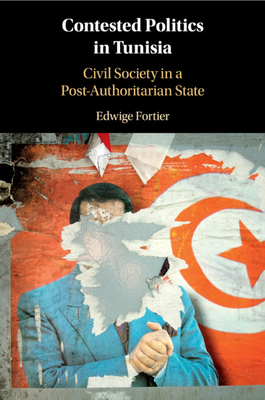
Several thousand new civil society organisations were legally established in Tunisia following the 2010-11 uprising that forced the long-serving dictator, Zine al-Abidine Ben Ali, from office. These organisations had different visions for a new Tunisia, and divisive issues such as the status of women, homosexuality, and human rights became highly contested. For some actors, the transition from authoritarian rule allowed them to have a strong voice that was previously muted under the former regimes. For others, the conflicts that emerged between the different groups brought new repressions and exclusions - this time not from the regime, but from 'civil society'. Vulnerable populations and the organisations working with them soon found themselves operating on uncertain terrain, where providing support to marginalised and routinely criminalised communities brought unexpected challenges. Here, Edwige Fortier explores this remarkable period of transformation and the effects of opening up public space in this way.
Log in to write a review for this book.
No reviews yet. Be the first to share your opinion.
Biography not available.