Mercure, Jean-François Author
Biography not available.

Browse all FOLKLORE books
Browse all GARDENS books
Browse all GRAPHIC NOVELS books
Browse all HISTORY - MEDIEVAL books
Browse all HUMOUR books
Browse all Juvenile Fiction : Biographical - Other books
Browse all Juvenile Fiction : Historical - Other books
Browse all Juvenile Fiction : Legends, Myths, & Fables - Other books
Browse all Juvenile Fiction : People & Places - Other books
Browse all Juvenile Fiction : People & Places - United States - Other books
Browse all Juvenile Fiction : Religious - Other books
Browse all Juvenile Nonfiction : History - Other books
Browse all Juvenile Nonfiction : Mathematics - Advanced books
Browse all Juvenile Nonfiction : People & Places - Other books
Browse all Juvenile Nonfiction : People & Places - United States - Othe books
Browse all LITERARY STUDIES books
Browse all LONDON books
Browse all Medical : Nursing - Mental Health books
Browse all MIND books
Browse all MUSEOLOGY books
Browse all NON-CLASSIFIABLE books
Browse all NONLINEAR SCIENCE books
Browse all POPULAR SCIENCE books
Browse all RELIGIOUS STUDIES books
Browse all SPIRIT books
Browse all SPORT books
Browse all TRAVEL WRITING books
 Out of Stock
Paperback · ISBN 9781108451116
Inclusive of GST and other taxes
Arriving at your doorstep in 10-15 days
Our logisitcs team will make sure everyitem is delivered safely
| ISBN | 9781108451116 |
|---|---|
| Publisher | Cambridge University Press |
| Publication date | February 2025 |
| Language | English |
| MRP | £26.99 GBP |
| Page count | 488 |
| Item weight | 143 g |
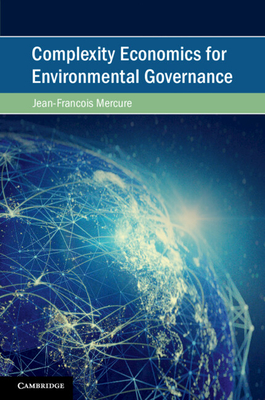
In Complexity Economics for Environmental Governance, Jean-François Mercure reframes environmental policy and provides a rigorous methodology necessary to tackle the complexity of environmental policy and the transition to sustainability. The book offers a detailed account of the deficiencies of environmental economics and then develops a theory of innovation and macroeconomics based on complexity theory. It also develops a new foundation for evidence-based policy-making using a Risk-Opportunity Analysis applied to the sustainability transition. This multidisciplinary work was developed in partnership with prominent natural scientists and economists as well as active policy-makers with the aim to revolutionize thinking in the face of the full complexity of the sustainability transition, and to show how it can best be governed to minimize its distributional impacts. The book should be read by academics and policy-makers seeking new ways to think about environmental policy-making.
Log in to write a review for this book.
No reviews yet. Be the first to share your opinion.
Biography not available.