Cardoso, Rafael Author
Biography not available.

Browse all FOLKLORE books
Browse all GARDENS books
Browse all GRAPHIC NOVELS books
Browse all HISTORY - MEDIEVAL books
Browse all HUMOUR books
Browse all Juvenile Fiction : Biographical - Other books
Browse all Juvenile Fiction : Historical - Other books
Browse all Juvenile Fiction : Legends, Myths, & Fables - Other books
Browse all Juvenile Fiction : People & Places - Other books
Browse all Juvenile Fiction : People & Places - United States - Other books
Browse all Juvenile Fiction : Religious - Other books
Browse all Juvenile Nonfiction : History - Other books
Browse all Juvenile Nonfiction : Mathematics - Advanced books
Browse all Juvenile Nonfiction : People & Places - Other books
Browse all Juvenile Nonfiction : People & Places - United States - Othe books
Browse all LITERARY STUDIES books
Browse all LONDON books
Browse all Medical : Nursing - Mental Health books
Browse all MIND books
Browse all MUSEOLOGY books
Browse all NON-CLASSIFIABLE books
Browse all NONLINEAR SCIENCE books
Browse all POPULAR SCIENCE books
Browse all RELIGIOUS STUDIES books
Browse all SPIRIT books
Browse all SPORT books
Browse all TRAVEL WRITING books
 Out of Stock
Hardback · ISBN 9781108481908
Inclusive of GST and other taxes
Arriving at your doorstep in 10-15 days
Our logisitcs team will make sure everyitem is delivered safely
| ISBN | 9781108481908 |
|---|---|
| Publisher | Cambridge University Press |
| Publication date | April 2021 |
| Language | English |
| MRP | £49.00 GBP |
| Page count | 296 |
| Item weight | 125 g |
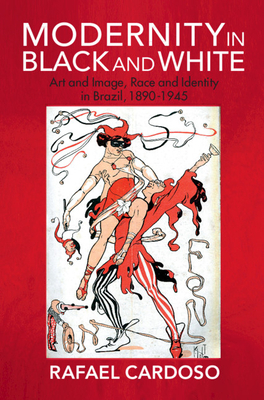
Modernity in Black and White provides a groundbreaking account of modern art and modernism in Brazil. Departing from previous accounts, mostly restricted to the elite arenas of literature, fine art and architecture, the book situates cultural debates within the wider currents of Brazilian life. From the rise of the first favelas, in the 1890s and 1900s, to the creation of samba and modern carnival, over the 1910s and 1920s, and tracking the expansion of mass media and graphic design, into the 1930s and 1940s, it foregrounds aspects of urban popular culture that have been systematically overlooked. Against this backdrop, Cardoso provides a radical re-reading of Antropofagia and other modernist currents, locating them within a broader field of cultural modernization. Combining extensive research with close readings of a range of visual cultural production, the volume brings to light a vast archive of art and images, all but unknown outside Brazil.
Log in to write a review for this book.
No reviews yet. Be the first to share your opinion.
Biography not available.