Leahy, Thomas Author
Biography not available.

Browse all FOLKLORE books
Browse all GARDENS books
Browse all GRAPHIC NOVELS books
Browse all HISTORY - MEDIEVAL books
Browse all HUMOUR books
Browse all Juvenile Fiction : Biographical - Other books
Browse all Juvenile Fiction : Historical - Other books
Browse all Juvenile Fiction : Legends, Myths, & Fables - Other books
Browse all Juvenile Fiction : People & Places - Other books
Browse all Juvenile Fiction : People & Places - United States - Other books
Browse all Juvenile Fiction : Religious - Other books
Browse all Juvenile Nonfiction : History - Other books
Browse all Juvenile Nonfiction : Mathematics - Advanced books
Browse all Juvenile Nonfiction : People & Places - Other books
Browse all Juvenile Nonfiction : People & Places - United States - Othe books
Browse all LITERARY STUDIES books
Browse all LONDON books
Browse all Medical : Nursing - Mental Health books
Browse all MIND books
Browse all MUSEOLOGY books
Browse all NON-CLASSIFIABLE books
Browse all NONLINEAR SCIENCE books
Browse all POPULAR SCIENCE books
Browse all RELIGIOUS STUDIES books
Browse all SPIRIT books
Browse all SPORT books
Browse all TRAVEL WRITING books
 Out of Stock
Hardback · ISBN 9781108487504
Inclusive of GST and other taxes
Arriving at your doorstep in 10-15 days
Our logisitcs team will make sure everyitem is delivered safely
| ISBN | 9781108487504 |
|---|---|
| Publisher | Cambridge University Press |
| Publication date | March 2020 |
| Language | English |
| MRP | £82.00 GBP |
| Page count | 356 |
| Item weight | 142 g |
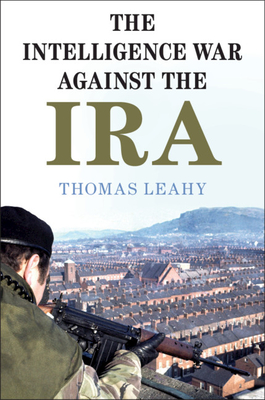
The exposure of two senior republicans as informers for British intelligence in 2005 led to a popular perception that the IRA had 'lost' the intelligence war and was pressurised into peace. In this first in-depth study across the entire conflict, Thomas Leahy re-evaluates the successes and failures of Britain's intelligence activities against the IRA, from the use of agents and informers to special-forces, surveillance and electronic intelligence. Using new interview material alongside memoirs and Irish and UK archival materials, he suggests that the IRA was not forced into peace by British intelligence. His work sheds new light on key questions in intelligence and security studies. How does British intelligence operate against paramilitaries? Is it effective? When should governments 'talk to terrorists'? And does regional variation explain the outcome of intelligence conflicts? This is a major contribution to the history of the conflict and of why peace emerged in Northern Ireland.
Log in to write a review for this book.
No reviews yet. Be the first to share your opinion.
Biography not available.