Spruyt, Hendrik Author
Biography not available.

Browse all FOLKLORE books
Browse all GARDENS books
Browse all GRAPHIC NOVELS books
Browse all HISTORY - MEDIEVAL books
Browse all HUMOUR books
Browse all Juvenile Fiction : Biographical - Other books
Browse all Juvenile Fiction : Historical - Other books
Browse all Juvenile Fiction : Legends, Myths, & Fables - Other books
Browse all Juvenile Fiction : People & Places - Other books
Browse all Juvenile Fiction : People & Places - United States - Other books
Browse all Juvenile Fiction : Religious - Other books
Browse all Juvenile Nonfiction : History - Other books
Browse all Juvenile Nonfiction : Mathematics - Advanced books
Browse all Juvenile Nonfiction : People & Places - Other books
Browse all Juvenile Nonfiction : People & Places - United States - Othe books
Browse all LITERARY STUDIES books
Browse all LONDON books
Browse all Medical : Nursing - Mental Health books
Browse all MIND books
Browse all MUSEOLOGY books
Browse all NON-CLASSIFIABLE books
Browse all NONLINEAR SCIENCE books
Browse all POPULAR SCIENCE books
Browse all RELIGIOUS STUDIES books
Browse all SPIRIT books
Browse all SPORT books
Browse all TRAVEL WRITING books
 Out of Stock
Hardback · ISBN 9781108491211
Inclusive of GST and other taxes
Arriving at your doorstep in 10-15 days
Our logisitcs team will make sure everyitem is delivered safely
| ISBN | 9781108491211 |
|---|---|
| Publisher | Cambridge University Press |
| Publication date | July 2020 |
| Language | English |
| MRP | £92.00 GBP |
| Page count | 414 |
| Item weight | 159 g |
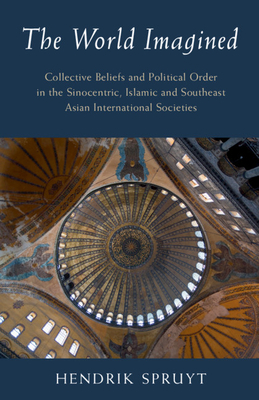
Taking an inter-disciplinary approach, Spruyt explains the political organization of three non-European international societies from early modernity to the late nineteenth century. The Ottoman, Safavid and Mughal empires; the Sinocentric tributary system; and the Southeast Asian galactic empires, all which differed in key respects from the modern Westphalian state system. In each of these societies, collective beliefs were critical in structuring domestic orders and relations with other polities. These multi-ethnic empires allowed for greater accommodation and heterogeneity in comparison to the homogeneity that is demanded by the modern nation-state. Furthermore, Spruyt examines the encounter between these non-European systems and the West. Contrary to unidirectional descriptions of the encounter, these non-Westphalian polities creatively adapted to Western principles of organization and international conduct. By illuminating the encounter of the West and these Eurasian polities, this book serves to question the popular wisdom of modernity, wherein the Western nation-state is perceived as the desired norm, to be replicated in other polities.
Log in to write a review for this book.
No reviews yet. Be the first to share your opinion.
Biography not available.