Wells, Jonathan C. K. Author
Biography not available.

Browse all FOLKLORE books
Browse all GARDENS books
Browse all GRAPHIC NOVELS books
Browse all HISTORY - MEDIEVAL books
Browse all HUMOUR books
Browse all Juvenile Fiction : Biographical - Other books
Browse all Juvenile Fiction : Historical - Other books
Browse all Juvenile Fiction : Legends, Myths, & Fables - Other books
Browse all Juvenile Fiction : People & Places - Other books
Browse all Juvenile Fiction : People & Places - United States - Other books
Browse all Juvenile Fiction : Religious - Other books
Browse all Juvenile Nonfiction : History - Other books
Browse all Juvenile Nonfiction : Mathematics - Advanced books
Browse all Juvenile Nonfiction : People & Places - Other books
Browse all Juvenile Nonfiction : People & Places - United States - Othe books
Browse all LITERARY STUDIES books
Browse all LONDON books
Browse all Medical : Nursing - Mental Health books
Browse all MIND books
Browse all MUSEOLOGY books
Browse all NON-CLASSIFIABLE books
Browse all NONLINEAR SCIENCE books
Browse all POPULAR SCIENCE books
Browse all RELIGIOUS STUDIES books
Browse all SPIRIT books
Browse all SPORT books
Browse all TRAVEL WRITING books
 Out of Stock
Paperback · ISBN 9781108737579
Inclusive of GST and other taxes
Arriving at your doorstep in 10-15 days
Our logisitcs team will make sure everyitem is delivered safely
| ISBN | 9781108737579 |
|---|---|
| Publisher | Cambridge University Press |
| Publication date | March 2019 |
| Language | English |
| MRP | £32.00 GBP |
| Page count | 624 |
| Item weight | 216 g |
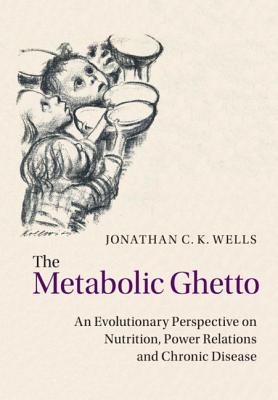
Chronic diseases have rapidly become the leading global cause of morbidity and mortality, yet there is poor understanding of this transition, or why particular social and ethnic groups are especially susceptible. In this book, Wells adopts a multidisciplinary approach to human nutrition, emphasising how power relations shape the physiological pathways to obesity, diabetes, hypertension and cardiovascular disease. Part I reviews the physiological basis of chronic diseases, presenting a 'capacity-load' model that integrates the nutritional contributions of developmental experience and adult lifestyle. Part II presents an evolutionary perspective on the sensitivity of human metabolism to ecological stresses, highlighting how social hierarchy impacts metabolism on an intergenerational timescale. Part III reviews how nutrition has changed over time, as societies evolved and coalesced towards a single global economic system. Part IV integrates these physiological, evolutionary and politico-economic perspectives in a unifying framework, to deepen our understanding of the societal basis of metabolic ill-health.
Log in to write a review for this book.
No reviews yet. Be the first to share your opinion.
Biography not available.