Joe, Jeongwon Author
Biography not available.

Browse all FOLKLORE books
Browse all GARDENS books
Browse all GRAPHIC NOVELS books
Browse all HISTORY - MEDIEVAL books
Browse all HUMOUR books
Browse all Juvenile Fiction : Biographical - Other books
Browse all Juvenile Fiction : Historical - Other books
Browse all Juvenile Fiction : Legends, Myths, & Fables - Other books
Browse all Juvenile Fiction : People & Places - Other books
Browse all Juvenile Fiction : People & Places - United States - Other books
Browse all Juvenile Fiction : Religious - Other books
Browse all Juvenile Nonfiction : History - Other books
Browse all Juvenile Nonfiction : Mathematics - Advanced books
Browse all Juvenile Nonfiction : People & Places - Other books
Browse all Juvenile Nonfiction : People & Places - United States - Othe books
Browse all LITERARY STUDIES books
Browse all LONDON books
Browse all Medical : Nursing - Mental Health books
Browse all MIND books
Browse all MUSEOLOGY books
Browse all NON-CLASSIFIABLE books
Browse all NONLINEAR SCIENCE books
Browse all POPULAR SCIENCE books
Browse all RELIGIOUS STUDIES books
Browse all SPIRIT books
Browse all SPORT books
Browse all TRAVEL WRITING books
 Out of Stock
Paperback · ISBN 9781138251526
Inclusive of GST and other taxes
Arriving at your doorstep in 10-15 days
Our logisitcs team will make sure everyitem is delivered safely
| ISBN | 9781138251526 |
|---|---|
| Publisher | Routledge |
| Publication date | November 2016 |
| Language | English |
| MRP | £58.99 GBP |
| Page count | 226 |
| Item weight | 72 g |
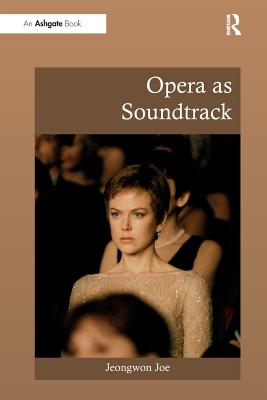
Filmmakers' fascination with opera dates back to the silent era but it was not until the late 1980s that critical enquiries into the intersection of opera and cinema began to emerge. Jeongwon Joe focusses primarily on the role of opera as soundtrack by exploring the distinct effects opera produces in film, effects which differ from other types of soundtrack music, such as jazz or symphony. These effects are examined from three perspectives: peculiar qualities of the operatic voice; various properties commonly associated with opera, such as excess, otherness or death; and multifaceted tensions between opera and cinema - for instance, opera as live, embodied, high art and cinema as technologically mediated, popular entertainment.
Joe argues that when opera excerpts are employed on soundtracks they tend to appear at critical moments of the film, usually associated with the protagonists, and the author explores why it is opera, not symphony or jazz, that accompanies poignant scenes like these. Joe's film analysis focuses on the time period of the post-1970s, which is distinguished by an increase of opera excerpts on soundtracks to blockbuster titles, the commercial recognition of which promoted the production of numerous opera soundtrack CDs in the following years. Joe incorporates an empirical methodology by examining primary sources such as production files, cue-sheets and unpublished interviews with film directors and composers to enhance the traditional hermeneutic approach. The films analysed in her book include Woody Allen's Match Point, David Cronenberg's M. Butterfly, and Wong Kar-wai's 2046.
Log in to write a review for this book.
No reviews yet. Be the first to share your opinion.
Biography not available.