Ulanowicz, Anastasia Author
Biography not available.

Browse all FOLKLORE books
Browse all GARDENS books
Browse all GRAPHIC NOVELS books
Browse all HISTORY - MEDIEVAL books
Browse all HUMOUR books
Browse all Juvenile Fiction : Biographical - Other books
Browse all Juvenile Fiction : Historical - Other books
Browse all Juvenile Fiction : Legends, Myths, & Fables - Other books
Browse all Juvenile Fiction : People & Places - Other books
Browse all Juvenile Fiction : People & Places - United States - Other books
Browse all Juvenile Fiction : Religious - Other books
Browse all Juvenile Nonfiction : History - Other books
Browse all Juvenile Nonfiction : Mathematics - Advanced books
Browse all Juvenile Nonfiction : People & Places - Other books
Browse all Juvenile Nonfiction : People & Places - United States - Othe books
Browse all LITERARY STUDIES books
Browse all LONDON books
Browse all Medical : Nursing - Mental Health books
Browse all MIND books
Browse all MUSEOLOGY books
Browse all NON-CLASSIFIABLE books
Browse all NONLINEAR SCIENCE books
Browse all POPULAR SCIENCE books
Browse all RELIGIOUS STUDIES books
Browse all SPIRIT books
Browse all SPORT books
Browse all TRAVEL WRITING books
 Out of Stock
Paperback · ISBN 9781138548008
Inclusive of GST and other taxes
Arriving at your doorstep in 10-15 days
Our logisitcs team will make sure everyitem is delivered safely
| ISBN | 9781138548008 |
|---|---|
| Publisher | Routledge |
| Publication date | February 2018 |
| Language | English |
| MRP | £54.99 GBP |
| Page count | 264 |
| Item weight | 79 g |
Winner of the Children's Literature Association Book Award
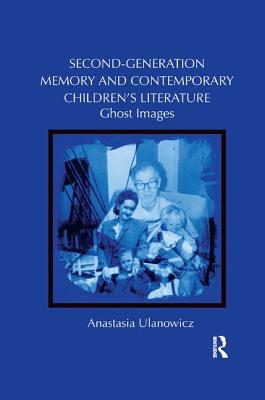
This book visits a range of textual forms including diary, novel, and picturebook to explore the relationship between second-generation memory and contemporary children's literature. Ulanowicz argues that second-generation memory - informed by intimate family relationships, textual mediation, and technology - is characterized by vicarious, rather than direct, experience of the past. As such, children's literature is particularly well-suited to the representation of second-generation memory, insofar as children's fiction is particularly invested in the transmission and reproduction of cultural memory, and its form promotes the formation of various complex intergenerational relationships. Further, children's books that depict second-generation memory have the potential to challenge conventional Western notions of selfhood and ethics. This study shows how novels such as Lois Lowry's The Giver (1993) and Judy Blume's Starring Sally J Freedman as Herself (1977) - both of which feature protagonists who adapt their elders' memories into their own mnemonic repertoires - implicitly reject Cartesian notions of the unified subject in favor of a view of identity as always-already social, relational, and dynamic in character. This book not only questions how and why second-generation memory is represented in books for young people, but whether such representations of memory might be considered 'radical' or 'conservative'. Together, these analyses address a topic that has not been explored fully within the fields of children's literature, trauma and memory studies, and Holocaust studies.
Log in to write a review for this book.
No reviews yet. Be the first to share your opinion.
Biography not available.