Hansen, Anders Author
Biography not available.

Browse all FOLKLORE books
Browse all GARDENS books
Browse all GRAPHIC NOVELS books
Browse all HISTORY - MEDIEVAL books
Browse all HUMOUR books
Browse all Juvenile Fiction : Biographical - Other books
Browse all Juvenile Fiction : Historical - Other books
Browse all Juvenile Fiction : Legends, Myths, & Fables - Other books
Browse all Juvenile Fiction : People & Places - Other books
Browse all Juvenile Fiction : People & Places - United States - Other books
Browse all Juvenile Fiction : Religious - Other books
Browse all Juvenile Nonfiction : History - Other books
Browse all Juvenile Nonfiction : Mathematics - Advanced books
Browse all Juvenile Nonfiction : People & Places - Other books
Browse all Juvenile Nonfiction : People & Places - United States - Othe books
Browse all LITERARY STUDIES books
Browse all LONDON books
Browse all Medical : Nursing - Mental Health books
Browse all MIND books
Browse all MUSEOLOGY books
Browse all NON-CLASSIFIABLE books
Browse all NONLINEAR SCIENCE books
Browse all POPULAR SCIENCE books
Browse all RELIGIOUS STUDIES books
Browse all SPIRIT books
Browse all SPORT books
Browse all TRAVEL WRITING books
 Out of Stock
Hardback · ISBN 9781138650459
Inclusive of GST and other taxes
Arriving at your doorstep in 10-15 days
Our logisitcs team will make sure everyitem is delivered safely
| ISBN | 9781138650459 |
|---|---|
| Publisher | Routledge |
| Publication date | September 2018 |
| Language | English |
| MRP | £155.00 GBP |
| Page count | 264 |
| Item weight | 121 g |
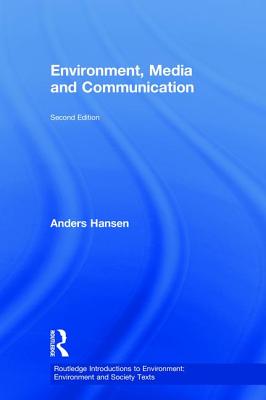
Media and communication processes are central to how we come to know about and make sense of our environment and to the ways in which environmental concerns are generated, elaborated, manipulated and contested. The second edition of Environment, Media and Communication builds on the first edition's framework for analysing and understanding media and communication roles in the politics of the environment. It draws on the significant and continuing growth and advances in the field of environmental communication research to show the increasing diversification and complexity of environmental communication. The book highlights the persistent urgency of analysing and understanding how communication about the environment is being influenced and manipulated, with implications for how and indeed whether environmental challenges are being addressed and dealt with.
Since the first edition, changes in media organisations, news media and environmental journalism have continued apace, but - perhaps more significantly - the media technologies and the media and communications landscape have evolved profoundly with the continued rise of digital and social media. Such changes have gone hand in hand with, and often facilitated, enabled and enhanced shifting balances of power in the politics of the environment. There is thus a greater need than ever to analyse and understand the roles of mediated public communication about the environment, and to ask critical questions about who/what benefits and who/what is adversely affected by such processes.
This book will be of interest to students in media/communication studies, geography, environmental studies, political science and sociology as well as to environmental professionals and activists.
Log in to write a review for this book.
No reviews yet. Be the first to share your opinion.
Biography not available.