Godfrey, Phoebe Editor
Biography not available.

Browse all FOLKLORE books
Browse all GARDENS books
Browse all GRAPHIC NOVELS books
Browse all HISTORY - MEDIEVAL books
Browse all HUMOUR books
Browse all Juvenile Fiction : Biographical - Other books
Browse all Juvenile Fiction : Historical - Other books
Browse all Juvenile Fiction : Legends, Myths, & Fables - Other books
Browse all Juvenile Fiction : People & Places - Other books
Browse all Juvenile Fiction : People & Places - United States - Other books
Browse all Juvenile Fiction : Religious - Other books
Browse all Juvenile Nonfiction : History - Other books
Browse all Juvenile Nonfiction : Mathematics - Advanced books
Browse all Juvenile Nonfiction : People & Places - Other books
Browse all Juvenile Nonfiction : People & Places - United States - Othe books
Browse all LITERARY STUDIES books
Browse all LONDON books
Browse all Medical : Nursing - Mental Health books
Browse all MIND books
Browse all MUSEOLOGY books
Browse all NON-CLASSIFIABLE books
Browse all NONLINEAR SCIENCE books
Browse all POPULAR SCIENCE books
Browse all RELIGIOUS STUDIES books
Browse all SPIRIT books
Browse all SPORT books
Browse all TRAVEL WRITING books
 Out of Stock
Hardback · ISBN 9781138830059
Inclusive of GST and other taxes
Arriving at your doorstep in 10-15 days
Our logisitcs team will make sure everyitem is delivered safely
| ISBN | 9781138830059 |
|---|---|
| Publisher | Routledge |
| Publication date | June 2016 |
| Language | English |
| MRP | £210.00 GBP |
| Page count | 378 |
| Item weight | 156 g |
It must be acknowledged that any solutions to anthropogenic Global Climate Change (GCC) are interdependent and ultimately inseparable from both its causes and consequences. As a result, limited analyses must be abandoned in favour of intersectional theories and practices.
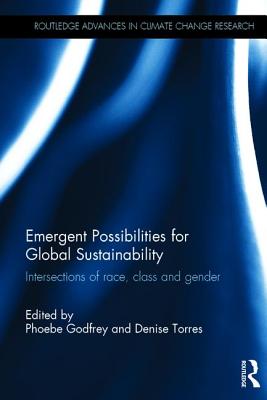
Emergent Possibilities for Global Sustainability is an interdisciplinary collection which addresses global climate change and sustainability by engaging with the issues of race, gender, and class through an intersectional lens. The book challenges readers to foster new theoretical and practical linkages and to think beyond the traditional, and oftentimes reductionist, environmental science frame by examining issues within their turbulent political, cultural and personal landscapes. Through a variety of media and writing styles, this collection is unique in its presentation of a complex and integrated analysis of global climate change and its implications. Its companion book, Systemic Crises of Global Climate Change, addresses the social and ecological urgency surrounding climate change and the need to use intersectionality in both theory and practice.
This book is a valuable resource for academics, researchers and both undergraduate and post-graduate students in the areas of Environmental Studies, Climate Change, Gender Studies and International studies as well as those seeking a more intersectional analysis of GCC.
Log in to write a review for this book.
No reviews yet. Be the first to share your opinion.
Biography not available.
Biography not available.