Schluga, Johann Baptist Author
Biography not available.

Browse all FOLKLORE books
Browse all GARDENS books
Browse all GRAPHIC NOVELS books
Browse all HISTORY - MEDIEVAL books
Browse all HUMOUR books
Browse all Juvenile Fiction : Biographical - Other books
Browse all Juvenile Fiction : Historical - Other books
Browse all Juvenile Fiction : Legends, Myths, & Fables - Other books
Browse all Juvenile Fiction : People & Places - Other books
Browse all Juvenile Fiction : People & Places - United States - Other books
Browse all Juvenile Fiction : Religious - Other books
Browse all Juvenile Nonfiction : History - Other books
Browse all Juvenile Nonfiction : Mathematics - Advanced books
Browse all Juvenile Nonfiction : People & Places - Other books
Browse all Juvenile Nonfiction : People & Places - United States - Othe books
Browse all LITERARY STUDIES books
Browse all LONDON books
Browse all Medical : Nursing - Mental Health books
Browse all MIND books
Browse all MUSEOLOGY books
Browse all NON-CLASSIFIABLE books
Browse all NONLINEAR SCIENCE books
Browse all POPULAR SCIENCE books
Browse all RELIGIOUS STUDIES books
Browse all SPIRIT books
Browse all SPORT books
Browse all TRAVEL WRITING books
 Out of Stock
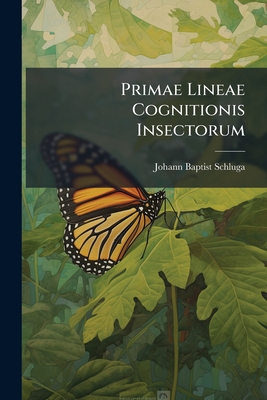
PRIMAE LINEAE COGNITIONIS INSE
Paperback · ISBN 9781274287076
Inclusive of GST and other taxes
Arriving at your doorstep in 5-7 days
Our logisitcs team will make sure everyitem is delivered safely
| ISBN | 9781274287076 |
|---|---|
| Subtitle | PRIMAE LINEAE COGNITIONIS INSE |
| Publisher | Nabu Press |
| Publication date | February 2012 |
| Language | English |
| MRP | £11.95 GBP |
| Page count | 68 |
| Item weight | 24 g |
Primae Lineae Cognitionis Insectorum, by Johann Baptist Schluga, offers a foundational exploration into the cognitive abilities of insects. This historical work delves into early observations and theories regarding insect behavior and intelligence, providing a valuable glimpse into the nascent field of entomology. Schluga's work is significant for anyone studying the history of zoology and the development of our understanding of the natural world. Explore the primary lines of insect cognition with this intriguing historical text.
This work has been selected by scholars as being culturally important, and is part of the knowledge base of civilization as we know it. This work was reproduced from the original artifact, and remains as true to the original work as possible. Therefore, you will see the original copyright references, library stamps (as most of these works have been housed in our most important libraries around the world), and other notations in the work.
This work is in the public domain in the United States of America, and possibly other nations. Within the United States, you may freely copy and distribute this work, as no entity (individual or corporate) has a copyright on the body of the work.
As a reproduction of a historical artifact, this work may contain missing or blurred pages, poor pictures, errant marks, etc. Scholars believe, and we concur, that this work is important enough to be preserved, reproduced, and made generally available to the public. We appreciate your support of the preservation process, and thank you for being an important part of keeping this knowledge alive and relevant.
Log in to write a review for this book.
No reviews yet. Be the first to share your opinion.
Biography not available.