Zainuri, Zainuri Editor
Biography not available.

Browse all FOLKLORE books
Browse all GARDENS books
Browse all GRAPHIC NOVELS books
Browse all HISTORY - MEDIEVAL books
Browse all HUMOUR books
Browse all Juvenile Fiction : Biographical - Other books
Browse all Juvenile Fiction : Historical - Other books
Browse all Juvenile Fiction : Legends, Myths, & Fables - Other books
Browse all Juvenile Fiction : People & Places - Other books
Browse all Juvenile Fiction : People & Places - United States - Other books
Browse all Juvenile Fiction : Religious - Other books
Browse all Juvenile Nonfiction : History - Other books
Browse all Juvenile Nonfiction : Mathematics - Advanced books
Browse all Juvenile Nonfiction : People & Places - Other books
Browse all Juvenile Nonfiction : People & Places - United States - Othe books
Browse all LITERARY STUDIES books
Browse all LONDON books
Browse all Medical : Nursing - Mental Health books
Browse all MIND books
Browse all MUSEOLOGY books
Browse all NON-CLASSIFIABLE books
Browse all NONLINEAR SCIENCE books
Browse all POPULAR SCIENCE books
Browse all RELIGIOUS STUDIES books
Browse all SPIRIT books
Browse all SPORT books
Browse all TRAVEL WRITING books
 Out of Stock
Paperback · ISBN 9781304597939
Inclusive of GST and other taxes
Arriving at your doorstep in 5-7 days
Our logisitcs team will make sure everyitem is delivered safely
| ISBN | 9781304597939 |
|---|---|
| Publisher | Lulu.com |
| Publication date | February 2024 |
| Language | English |
| MRP | £58.85 GBP |
| Page count | 76 |
| Item weight | 44 g |
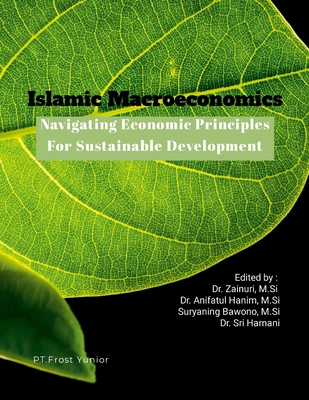
Islamic macroeconomics is a branch of economics that studies the behavior and performance of an economy from an Islamic perspective. It aims to achieve the objectives of Shariah, which are to promote justice, equity, welfare, and human dignity in the society. Islamic macroeconomics also seeks to balance the material and spiritual aspects of human life, as well as to preserve the environment and natural resources for the future generations. This book is a comprehensive and insightful introduction to the principles and applications of Islamic macroeconomics. It covers various topics such as consumption, saving, investment, money, goods market, money market, fiscal policy, monetary policy, exchange rate, inflation, unemployment, balance of payments, and economic growth. It also discusses the challenges and opportunities of implementing Islamic macroeconomic policies in the context of sustainable development and agro-industry. The book is intended for students, researchers, practitioners, and policymakers who are interested in learning more about the Islamic approach to macroeconomics. It provides a clear and concise explanation of the theoretical foundations and empirical evidence of Islamic macroeconomics, as well as the practical implications and recommendations for policy making. The book also offers a critical and constructive analysis of the strengths and weaknesses of Islamic macroeconomics, as well as the areas for further research and development. I hope that this book will enrich the knowledge and understanding of the readers about the Islamic perspective on macroeconomics, and inspire them to contribute to the advancement of this field. I also hope that this book will serve as a useful reference and guide for those who are involved in the promotion and implementation of Islamic macroeconomic policies for the benefit of the society and the environment.
Log in to write a review for this book.
No reviews yet. Be the first to share your opinion.
Biography not available.
Biography not available.
Biography not available.