Guilhot, Nicolas Author
Biography not available.

Browse all FOLKLORE books
Browse all GARDENS books
Browse all GRAPHIC NOVELS books
Browse all HISTORY - MEDIEVAL books
Browse all HUMOUR books
Browse all Juvenile Fiction : Biographical - Other books
Browse all Juvenile Fiction : Historical - Other books
Browse all Juvenile Fiction : Legends, Myths, & Fables - Other books
Browse all Juvenile Fiction : People & Places - Other books
Browse all Juvenile Fiction : People & Places - United States - Other books
Browse all Juvenile Fiction : Religious - Other books
Browse all Juvenile Nonfiction : History - Other books
Browse all Juvenile Nonfiction : Mathematics - Advanced books
Browse all Juvenile Nonfiction : People & Places - Other books
Browse all Juvenile Nonfiction : People & Places - United States - Othe books
Browse all LITERARY STUDIES books
Browse all LONDON books
Browse all Medical : Nursing - Mental Health books
Browse all MIND books
Browse all MUSEOLOGY books
Browse all NON-CLASSIFIABLE books
Browse all NONLINEAR SCIENCE books
Browse all POPULAR SCIENCE books
Browse all RELIGIOUS STUDIES books
Browse all SPIRIT books
Browse all SPORT books
Browse all TRAVEL WRITING books
 Out of Stock
Paperback · ISBN 9781316621110
Inclusive of GST and other taxes
Arriving at your doorstep in 10-15 days
Our logisitcs team will make sure everyitem is delivered safely
| ISBN | 9781316621110 |
|---|---|
| Publisher | Cambridge University Press |
| Publication date | April 2017 |
| Language | English |
| MRP | £27.00 GBP |
| Page count | 268 |
| Item weight | 80 g |
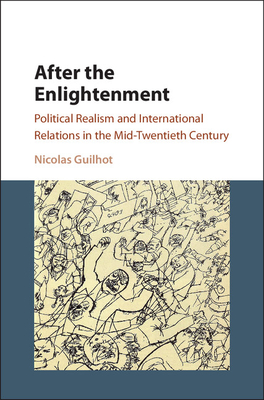
After the Enlightenment is the first attempt at understanding modern political realism as a historical phenomenon. Realism is not an eternal wisdom inherited from Thucydides, Machiavelli or Hobbes, but a twentieth-century phenomenon rooted in the interwar years, the collapse of the Weimar Republic, and the transfer of ideas between Continental Europe and the United States. The book provides the first intellectual history of the rise of realism in America, as it informed policy and academic circles after 1945. It breaks through the narrow confines of the discipline of international relations and resituates realism within the crisis of American liberalism. Realism provided a new framework for foreign policy thinking and transformed the nature of American democracy. This book sheds light on the emergence of 'rational choice' as a new paradigm for political decision-making and speaks to the current revival in realism in international affairs.
Log in to write a review for this book.
No reviews yet. Be the first to share your opinion.
Biography not available.