Tsui, Brian Author
Biography not available.

Browse all FOLKLORE books
Browse all GARDENS books
Browse all GRAPHIC NOVELS books
Browse all HISTORY - MEDIEVAL books
Browse all HUMOUR books
Browse all Juvenile Fiction : Biographical - Other books
Browse all Juvenile Fiction : Historical - Other books
Browse all Juvenile Fiction : Legends, Myths, & Fables - Other books
Browse all Juvenile Fiction : People & Places - Other books
Browse all Juvenile Fiction : People & Places - United States - Other books
Browse all Juvenile Fiction : Religious - Other books
Browse all Juvenile Nonfiction : History - Other books
Browse all Juvenile Nonfiction : Mathematics - Advanced books
Browse all Juvenile Nonfiction : People & Places - Other books
Browse all Juvenile Nonfiction : People & Places - United States - Othe books
Browse all LITERARY STUDIES books
Browse all LONDON books
Browse all Medical : Nursing - Mental Health books
Browse all MIND books
Browse all MUSEOLOGY books
Browse all NON-CLASSIFIABLE books
Browse all NONLINEAR SCIENCE books
Browse all POPULAR SCIENCE books
Browse all RELIGIOUS STUDIES books
Browse all SPIRIT books
Browse all SPORT books
Browse all TRAVEL WRITING books
 Out of Stock
Paperback · ISBN 9781316647226
Inclusive of GST and other taxes
Arriving at your doorstep in 5-7 days
Our logisitcs team will make sure everyitem is delivered safely
| ISBN | 9781316647226 |
|---|---|
| Publisher | Cambridge University Press |
| Publication date | November 2019 |
| Language | English |
| MRP | £34.00 GBP |
| Page count | 304 |
| Item weight | 91 g |
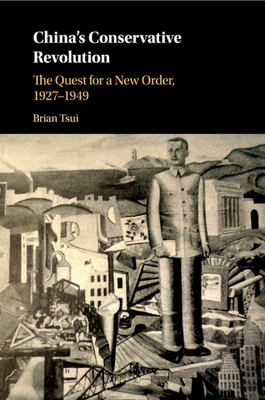
In this ambitious examination of the complex political culture of China under Guomindang rule, Brian Tsui interweaves political ideologies, intellectual trends, social movements and diplomatic maneuvers to demonstrate how the Chinese revolution became conservative after the anti-Communist coup of 1927. Dismissing violent struggles for class equality as incompatible with nationalist goals, Chiang Kai-shek's government should, Tsui argues, be understood in the context of the global ascendance of radical right-wing movements during the inter-war period. The Guomindang's revolutionary nation-building and modernization project struck a chord with China's reformist liberal elite, who were wary of mob rule, while its obsession with Eastern spirituality appealed to Indian nationalists fighting Western colonialism. The Nationalist vision was defined by the party-state's hostility to communist challenges as much as by its ability to co-opt liberalism and Pan-Asianist anti-colonialism. Tsui's revisionist reading revisits the peculiarities of the Guomindang's revolutionary enterprise, resituating Nationalist China in the moment of global radical right ascendancy.
Log in to write a review for this book.
No reviews yet. Be the first to share your opinion.
Biography not available.