Rami, Dolf Author
Biography not available.

Browse all FOLKLORE books
Browse all GARDENS books
Browse all GRAPHIC NOVELS books
Browse all HISTORY - MEDIEVAL books
Browse all HUMOUR books
Browse all Juvenile Fiction : Biographical - Other books
Browse all Juvenile Fiction : Historical - Other books
Browse all Juvenile Fiction : Legends, Myths, & Fables - Other books
Browse all Juvenile Fiction : People & Places - Other books
Browse all Juvenile Fiction : People & Places - United States - Other books
Browse all Juvenile Fiction : Religious - Other books
Browse all Juvenile Nonfiction : History - Other books
Browse all Juvenile Nonfiction : Mathematics - Advanced books
Browse all Juvenile Nonfiction : People & Places - Other books
Browse all Juvenile Nonfiction : People & Places - United States - Othe books
Browse all LITERARY STUDIES books
Browse all LONDON books
Browse all Medical : Nursing - Mental Health books
Browse all MIND books
Browse all MUSEOLOGY books
Browse all NON-CLASSIFIABLE books
Browse all NONLINEAR SCIENCE books
Browse all POPULAR SCIENCE books
Browse all RELIGIOUS STUDIES books
Browse all SPIRIT books
Browse all SPORT books
Browse all TRAVEL WRITING books
 Out of Stock
Paperback · ISBN 9781350197220
Inclusive of GST and other taxes
Arriving at your doorstep in 5-7 days
Our logisitcs team will make sure everyitem is delivered safely
| ISBN | 9781350197220 |
|---|---|
| Publisher | Bloomsbury 3PL |
| Publication date | May 2023 |
| Language | English |
| MRP | £29.99 GBP |
| Page count | 280 |
| Item weight | 88 g |
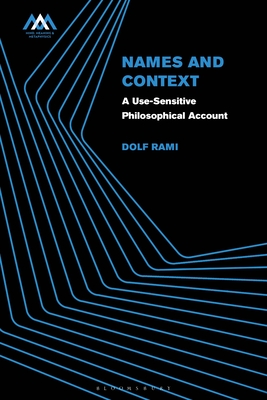
Dolf Rami contributes to contemporary debates about the meaning and reference of proper names by providing an overview of the main challenges and developing a new contextualist account of names.
Questions about the use and semantic features of proper names are at the centre of philosophy of language. How does a single proper name refer to the same thing in different contexts of use? What makes a thing a bearer of a proper name? What is their meaning? Guided by these questions, Rami discusses Saul Kripke's main contributions to the debate and introduces two new ways to capture the rigidity of names, proposing a pluralist version of the causal chain picture. Covering popular contextualist accounts of names, both indexical and variabilist, he presents a use-sensitive alternative based on a semantic comparison between names, pronouns and demonstratives.
Extending and applying his approach to a wide variety of uses, including names in fiction, this is a comprehensive explanation of why we should interpret proper names as use-sensitive expressions.
Log in to write a review for this book.
No reviews yet. Be the first to share your opinion.
Biography not available.