Dorato, Mauro Author
Biography not available.

Browse all FOLKLORE books
Browse all GARDENS books
Browse all GRAPHIC NOVELS books
Browse all HISTORY - MEDIEVAL books
Browse all HUMOUR books
Browse all Juvenile Fiction : Biographical - Other books
Browse all Juvenile Fiction : Historical - Other books
Browse all Juvenile Fiction : Legends, Myths, & Fables - Other books
Browse all Juvenile Fiction : People & Places - Other books
Browse all Juvenile Fiction : People & Places - United States - Other books
Browse all Juvenile Fiction : Religious - Other books
Browse all Juvenile Nonfiction : History - Other books
Browse all Juvenile Nonfiction : Mathematics - Advanced books
Browse all Juvenile Nonfiction : People & Places - Other books
Browse all Juvenile Nonfiction : People & Places - United States - Othe books
Browse all LITERARY STUDIES books
Browse all LONDON books
Browse all Medical : Nursing - Mental Health books
Browse all MIND books
Browse all MUSEOLOGY books
Browse all NON-CLASSIFIABLE books
Browse all NONLINEAR SCIENCE books
Browse all POPULAR SCIENCE books
Browse all RELIGIOUS STUDIES books
Browse all SPIRIT books
Browse all SPORT books
Browse all TRAVEL WRITING books
 Out of Stock
Hardback · ISBN 9781350277724
Inclusive of GST and other taxes
Arriving at your doorstep in 5-7 days
Our logisitcs team will make sure everyitem is delivered safely
| ISBN | 9781350277724 |
|---|---|
| Publisher | Bloomsbury 3PL |
| Publication date | March 2023 |
| Language | English |
| MRP | £90.00 GBP |
| Page count | 194 |
| Item weight | 100 g |
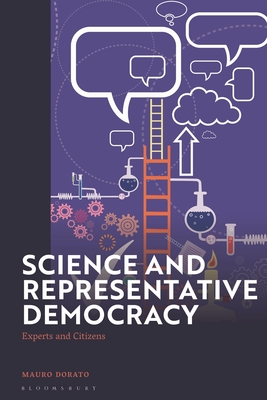
Mauro Dorato charts pressing debates within the philosophy of science that centre around scientific expertise, access to knowledge, consensus, debate, and decision-making.
This English-language translation of Disinformazione Scientifica e Democrazia argues that the advancement of science depends on an exponential process of specialization, accompanied by the creation of technical languages that are less and less accessible to the general public. Dorato reveals how such a process must align with representative forms of democracies, in which knowledge and decision-making ought to aim at the society's general interest. Given the importance of the principle of competence, however, the role of experts as mediators of knowledge threatens the citizens' autonomy of choice. Consequently, the risk of technocratic regimes calls for new ways to increase literacy about science and its philosophical and probabilistic foundations. Stressing the conceptual conflict between pluralism and conformism, Science and Representative Democracyreveals the obstacles to the functioning of both science and democracy.
Log in to write a review for this book.
No reviews yet. Be the first to share your opinion.
Biography not available.