Evans, David Author
Biography not available.

Browse all FOLKLORE books
Browse all GARDENS books
Browse all GRAPHIC NOVELS books
Browse all HISTORY - MEDIEVAL books
Browse all HUMOUR books
Browse all Juvenile Fiction : Biographical - Other books
Browse all Juvenile Fiction : Historical - Other books
Browse all Juvenile Fiction : Legends, Myths, & Fables - Other books
Browse all Juvenile Fiction : People & Places - Other books
Browse all Juvenile Fiction : People & Places - United States - Other books
Browse all Juvenile Fiction : Religious - Other books
Browse all Juvenile Nonfiction : History - Other books
Browse all Juvenile Nonfiction : Mathematics - Advanced books
Browse all Juvenile Nonfiction : People & Places - Other books
Browse all Juvenile Nonfiction : People & Places - United States - Othe books
Browse all LITERARY STUDIES books
Browse all LONDON books
Browse all Medical : Nursing - Mental Health books
Browse all MIND books
Browse all MUSEOLOGY books
Browse all NON-CLASSIFIABLE books
Browse all NONLINEAR SCIENCE books
Browse all POPULAR SCIENCE books
Browse all RELIGIOUS STUDIES books
Browse all SPIRIT books
Browse all SPORT books
Browse all TRAVEL WRITING books
 Out of Stock
Hardback · ISBN 9781350497856
Inclusive of GST and other taxes
Arriving at your doorstep in 5-7 days
Our logisitcs team will make sure everyitem is delivered safely
| ISBN | 9781350497856 |
|---|---|
| Publisher | Bloomsbury Academic |
| Publication date | October 2025 |
| Language | English |
| MRP | £95.00 GBP |
| Page count | 212 |
| Item weight | 105 g |
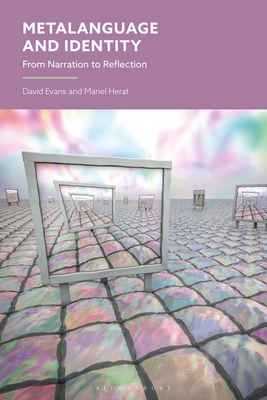
How does language attain to rear view reflection and then timeless analysis? How does language garner its conceptualisation in order to do this?
This book is an exploration of the process in which everyday narrative language can become reflective and then analytical. Narrative language is viewed as a way of 'becoming' within the flow of time and therefore life.
Evans and Herat show that there are levels in language that correspond with conceptual structures existing in the mind and in wider society, which shape the formation of a metalanguage. They explore how metaphor is an important creative tool in raising language to a more conceptual level in the constitution of a metalanguage. The book considers the development of different strands of metalanguage, for example, mind-based logic, physically based metaphor and universal grammar, to provide a fuller account of language and identity by challenging sweeping existential accounts of language.
By studying the formation and application of metalanguage, the authors show it can help develop a more questioning, dialogic critical pedagogy in education to accustom students to develop critical awareness.
Log in to write a review for this book.
No reviews yet. Be the first to share your opinion.
Biography not available.
Biography not available.