Zisserman-Brodsky, D. Editor
Biography not available.

Browse all FOLKLORE books
Browse all GARDENS books
Browse all GRAPHIC NOVELS books
Browse all HISTORY - MEDIEVAL books
Browse all HUMOUR books
Browse all Juvenile Fiction : Biographical - Other books
Browse all Juvenile Fiction : Historical - Other books
Browse all Juvenile Fiction : Legends, Myths, & Fables - Other books
Browse all Juvenile Fiction : People & Places - Other books
Browse all Juvenile Fiction : People & Places - United States - Other books
Browse all Juvenile Fiction : Religious - Other books
Browse all Juvenile Nonfiction : History - Other books
Browse all Juvenile Nonfiction : Mathematics - Advanced books
Browse all Juvenile Nonfiction : People & Places - Other books
Browse all Juvenile Nonfiction : People & Places - United States - Othe books
Browse all LITERARY STUDIES books
Browse all LONDON books
Browse all Medical : Nursing - Mental Health books
Browse all MIND books
Browse all MUSEOLOGY books
Browse all NON-CLASSIFIABLE books
Browse all NONLINEAR SCIENCE books
Browse all POPULAR SCIENCE books
Browse all RELIGIOUS STUDIES books
Browse all SPIRIT books
Browse all SPORT books
Browse all TRAVEL WRITING books
 Out of Stock
Hardback · ISBN 9781403961914
Inclusive of GST and other taxes
Arriving at your doorstep in 10-15 days
Our logisitcs team will make sure everyitem is delivered safely
| ISBN | 9781403961914 |
|---|---|
| Publisher | Palgrave Macmillan |
| Publication date | August 2003 |
| Language | English |
| MRP | £44.99 GBP |
| Page count | 308 |
| Item weight | 96 g |
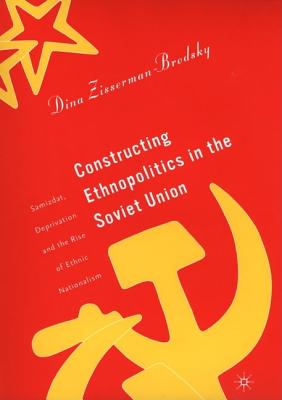
The 'nationality question' was long central to Soviet thought and policy, and the failure to provide a convincing answer played a major role in the break-up of the Soviet Union into ethnically or nationally defined states. Zisserman-Brodsky explores various explanations of nationalism and its resurgence through a close and unprecedented examination of dissident writings of diverse ethnic groups in the former Soviet Union, thereby bridging macro-theory with micro-politics. Dissident ethnic networks were a crucial independent institution in the Soviet Union, and a basis of civil society. Voicing the discontent and resentment of the periphery at the policies of the centre or metropole, the dissident writings, known as samizdat highlighted anger at deprivations imposed in the political, cultural, social and economic spheres. Ethnic dissident writings drew on values both internal to the Soviet system and international as sources of legitimation; they met a divided reaction among Russians, with some privileging the unity of the Soviet Union and others sympathetic to the rhetoric of national rights. This focus on national, rather than individual, rights helps explain developments since the fall of the Soviet Union, including the prevalence of authoritarian governments in newly independent states of the former Soviet Union.
Log in to write a review for this book.
No reviews yet. Be the first to share your opinion.
Biography not available.