Bryson, Michael E. Author
Biography not available.

Browse all FOLKLORE books
Browse all GARDENS books
Browse all GRAPHIC NOVELS books
Browse all HISTORY - MEDIEVAL books
Browse all HUMOUR books
Browse all Juvenile Fiction : Biographical - Other books
Browse all Juvenile Fiction : Historical - Other books
Browse all Juvenile Fiction : Legends, Myths, & Fables - Other books
Browse all Juvenile Fiction : People & Places - Other books
Browse all Juvenile Fiction : People & Places - United States - Other books
Browse all Juvenile Fiction : Religious - Other books
Browse all Juvenile Nonfiction : History - Other books
Browse all Juvenile Nonfiction : Mathematics - Advanced books
Browse all Juvenile Nonfiction : People & Places - Other books
Browse all Juvenile Nonfiction : People & Places - United States - Othe books
Browse all LITERARY STUDIES books
Browse all LONDON books
Browse all Medical : Nursing - Mental Health books
Browse all MIND books
Browse all MUSEOLOGY books
Browse all NON-CLASSIFIABLE books
Browse all NONLINEAR SCIENCE books
Browse all POPULAR SCIENCE books
Browse all RELIGIOUS STUDIES books
Browse all SPIRIT books
Browse all SPORT books
Browse all TRAVEL WRITING books
 Out of Stock
Hardback · ISBN 9781409447016
Inclusive of GST and other taxes
Arriving at your doorstep in 10-15 days
Our logisitcs team will make sure everyitem is delivered safely
| ISBN | 9781409447016 |
|---|---|
| Publisher | Routledge |
| Publication date | October 2012 |
| Language | English |
| MRP | £171.99 GBP |
| Page count | 192 |
| Item weight | 99 g |
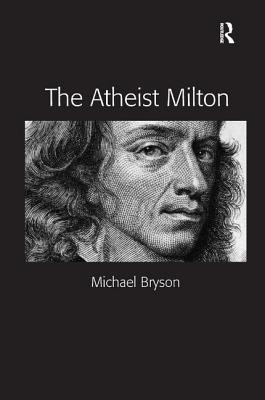
Basing his contention on two different lines of argument, Michael Bryson posits that John Milton-possibly the most famous 'Christian' poet in English literary history-was, in fact, an atheist. First, based on his association with Arian ideas (denial of the doctrine of the Trinity), his argument for the de Deo theory of creation (which puts him in line with the materialism of Spinoza and Hobbes), and his Mortalist argument that the human soul dies with the human body, Bryson argues that Milton was an atheist by the commonly used definitions of the period. And second, as the poet who takes a reader from the presence of an imperious, monarchical God in Paradise Lost, to the internal-almost Gnostic-conception of God in Paradise Regained, to the absence of any God whatsoever in Samson Agonistes, Milton moves from a theist (with God) to something much more recognizable as a modern atheist position (without God) in his poetry. Among the author's goals in The Atheist Milton is to account for tensions over the idea of God which, in Bryson's view, go all the way back to Milton's earliest poetry. In this study, he argues such tensions are central to Milton's poetry-and to any attempt to understand that poetry on its own terms.
Log in to write a review for this book.
No reviews yet. Be the first to share your opinion.
Biography not available.