Lizza, John P. Editor
Biography not available.

Browse all FOLKLORE books
Browse all GARDENS books
Browse all GRAPHIC NOVELS books
Browse all HISTORY - MEDIEVAL books
Browse all HUMOUR books
Browse all Juvenile Fiction : Biographical - Other books
Browse all Juvenile Fiction : Historical - Other books
Browse all Juvenile Fiction : Legends, Myths, & Fables - Other books
Browse all Juvenile Fiction : People & Places - Other books
Browse all Juvenile Fiction : People & Places - United States - Other books
Browse all Juvenile Fiction : Religious - Other books
Browse all Juvenile Nonfiction : History - Other books
Browse all Juvenile Nonfiction : Mathematics - Advanced books
Browse all Juvenile Nonfiction : People & Places - Other books
Browse all Juvenile Nonfiction : People & Places - United States - Othe books
Browse all LITERARY STUDIES books
Browse all LONDON books
Browse all Medical : Nursing - Mental Health books
Browse all MIND books
Browse all MUSEOLOGY books
Browse all NON-CLASSIFIABLE books
Browse all NONLINEAR SCIENCE books
Browse all POPULAR SCIENCE books
Browse all RELIGIOUS STUDIES books
Browse all SPIRIT books
Browse all SPORT books
Browse all TRAVEL WRITING books
 Out of Stock
POTENTIALITY
Paperback · ISBN 9781421411743
Inclusive of GST and other taxes
Arriving at your doorstep in 10-15 days
Our logisitcs team will make sure everyitem is delivered safely
| ISBN | 9781421411743 |
|---|---|
| Subtitle | POTENTIALITY |
| Publisher | Johns Hopkins University Press |
| Publication date | January 2014 |
| Language | English |
| MRP | £43.00 GBP |
| Page count | 288 |
| Item weight | 99 g |
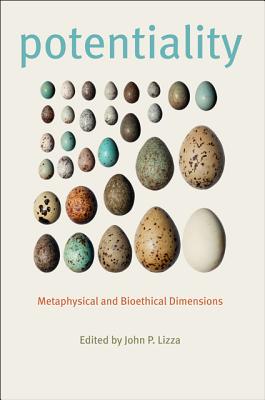
What is the moral status of humans lacking the potential for consciousness? The concept of potentiality often tips the scales in life-and-death medical decisions. Some argue that all human embryos have the potential to develop characteristics-such as consciousness, intellect, and will-that we normally associate with personhood. Individuals with total brain failure or in a persistent vegetative state are thought to lack the potential for consciousness or any other mental function. Or do they? In Potentiality John Lizza gathers classic articles alongside newly commissioned chapters from leading thinkers who analyze the nature of potentiality in bioethics, a concept central to a number of important debates. The contributors illustrate how considerations of potentiality and potential persons complicate the analysis of the moral consideration of persons at the beginning and end of life. A number of works explicitly uncover the Aristotelian background of the concept, while others explore philosophical issues about persons, dispositions, and possibility. The common assumption that potentiality is intrinsic to whatever has the potentiality is challenged by a relational view of persons, an extrinsic account of dispositions, and attention to how extrinsic factors affect realistic possibilities. Although potentiality has figured prominently in bioethical literature, it has not received a great deal of logical, semantic, and metaphysical analysis in contemporary philosophical literature. This collection will bring these thorny philosophical issues to the fore. Incorporating cutting-edge research on the topic of potentiality, this thought-provoking collection will interest bioethicists, philosophers, health care professionals, attorneys engaged in medical and health issues, and hospital and governmental committees who advise on policy and law concerning issues at the beginning and end of life.
Log in to write a review for this book.
No reviews yet. Be the first to share your opinion.
Biography not available.