Lawlis, Frank Author
Biography not available.

Browse all FOLKLORE books
Browse all GARDENS books
Browse all GRAPHIC NOVELS books
Browse all HISTORY - MEDIEVAL books
Browse all HUMOUR books
Browse all Juvenile Fiction : Biographical - Other books
Browse all Juvenile Fiction : Historical - Other books
Browse all Juvenile Fiction : Legends, Myths, & Fables - Other books
Browse all Juvenile Fiction : People & Places - Other books
Browse all Juvenile Fiction : People & Places - United States - Other books
Browse all Juvenile Fiction : Religious - Other books
Browse all Juvenile Nonfiction : History - Other books
Browse all Juvenile Nonfiction : Mathematics - Advanced books
Browse all Juvenile Nonfiction : People & Places - Other books
Browse all Juvenile Nonfiction : People & Places - United States - Othe books
Browse all LITERARY STUDIES books
Browse all LONDON books
Browse all Medical : Nursing - Mental Health books
Browse all MIND books
Browse all MUSEOLOGY books
Browse all NON-CLASSIFIABLE books
Browse all NONLINEAR SCIENCE books
Browse all POPULAR SCIENCE books
Browse all RELIGIOUS STUDIES books
Browse all SPIRIT books
Browse all SPORT books
Browse all TRAVEL WRITING books
 Out of Stock
PSYCHONEUROPLASTICITY PROTOCOL
Hardback · ISBN 9781442241978
Inclusive of GST and other taxes
Arriving at your doorstep in 10-15 days
Our logisitcs team will make sure everyitem is delivered safely
| ISBN | 9781442241978 |
|---|---|
| Subtitle | PSYCHONEUROPLASTICITY PROTOCOL |
| Publisher | Rowman & Littlefield Publishers |
| Publication date | March 2015 |
| Language | English |
| MRP | £70.00 GBP |
| Page count | 204 |
| Item weight | 104 g |
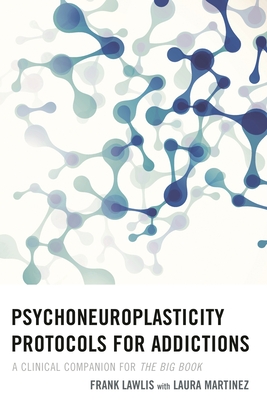
PsychoNeuroPlasticity Protocols for Addictions: A Clinical Companion for the Big Book is a book that represents a tipping point in the translation of addiction science into practical, real-world applications for practitioners. It translates brain research into patient deliverables by explaining how to use the brain to fight addiction and improve recovery outcomes. It does so while embracing the long-standing recovery culture that has been the only source of hope for addicts and alcoholics in the past fifty years.
The contents of the book reveal the transformational aspects of recovery along with the scientific principles of what Dr. Lawlis has coined as "PsychoNeuroPlasticity," along with many of the barriers to transformation. More specifically it covers brain patterns that relate to depression, anxiety, OCD, mood and even brain development issues noted in premature development of adjustment in young addicts. The approaches are not singular in nature, but cover a wide range of effective modes of treatment, including diet, exercise, meditation, and biofeedback.
The reader and treatment specialist will be re-energized by witnessing the changes in patient care, staff training, and outcomes. Digging deeper, however, this book is about hope--hope that the work of two decades of brain science will finally reach those who need it most; hope that we finally have a tool that will give us a true advantage in the war on addiction; and hope that lives lost to this disease every year will someday be stymied.
Log in to write a review for this book.
No reviews yet. Be the first to share your opinion.
Biography not available.
Biography not available.