Esteva, Gustavo Author
Biography not available.

Browse all FOLKLORE books
Browse all GARDENS books
Browse all GRAPHIC NOVELS books
Browse all HISTORY - MEDIEVAL books
Browse all HUMOUR books
Browse all Juvenile Fiction : Biographical - Other books
Browse all Juvenile Fiction : Historical - Other books
Browse all Juvenile Fiction : Legends, Myths, & Fables - Other books
Browse all Juvenile Fiction : People & Places - Other books
Browse all Juvenile Fiction : People & Places - United States - Other books
Browse all Juvenile Fiction : Religious - Other books
Browse all Juvenile Nonfiction : History - Other books
Browse all Juvenile Nonfiction : Mathematics - Advanced books
Browse all Juvenile Nonfiction : People & Places - Other books
Browse all Juvenile Nonfiction : People & Places - United States - Othe books
Browse all LITERARY STUDIES books
Browse all LONDON books
Browse all Medical : Nursing - Mental Health books
Browse all MIND books
Browse all MUSEOLOGY books
Browse all NON-CLASSIFIABLE books
Browse all NONLINEAR SCIENCE books
Browse all POPULAR SCIENCE books
Browse all RELIGIOUS STUDIES books
Browse all SPIRIT books
Browse all SPORT books
Browse all TRAVEL WRITING books
 Out of Stock
Hardback · ISBN 9781447301097
Inclusive of GST and other taxes
Arriving at your doorstep in 10-15 days
Our logisitcs team will make sure everyitem is delivered safely
| ISBN | 9781447301097 |
|---|---|
| Publisher | Policy Press |
| Publication date | October 2013 |
| Language | English |
| MRP | £62.99 GBP |
| Page count | 192 |
| Item weight | 82 g |
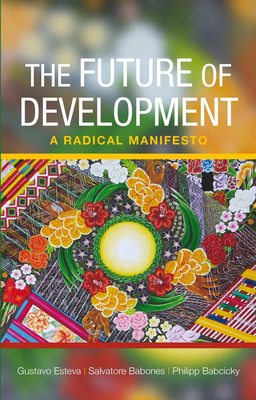
On January 20, 1949 US President Harry S. Truman officially opened the era of development. On that day, over one half of the people of the world were defined as "underdeveloped" and they have stayed that way ever since. This book explains the origins of development and underdevelopment and shows how poorly we understand these two terms. It offers a new vision for development, demystifying the statistics that international organizations use to measure development and introducing the alternative concept of buen vivir: the state of living well. The authors argue that it is possible for everyone on the planet to live well, but only if we learn to live as communities rather than as individuals and to nurture our respective commons. Scholars and students of global development studies are well-aware that development is a difficult concept. This thought-provoking book offers them advice for the future of development studies and hope for the future of humankind.
Log in to write a review for this book.
No reviews yet. Be the first to share your opinion.
Biography not available.
Biography not available.