Mercer, Jean Author
Biography not available.

Browse all FOLKLORE books
Browse all GARDENS books
Browse all GRAPHIC NOVELS books
Browse all HISTORY - MEDIEVAL books
Browse all HUMOUR books
Browse all Juvenile Fiction : Biographical - Other books
Browse all Juvenile Fiction : Historical - Other books
Browse all Juvenile Fiction : Legends, Myths, & Fables - Other books
Browse all Juvenile Fiction : People & Places - Other books
Browse all Juvenile Fiction : People & Places - United States - Other books
Browse all Juvenile Fiction : Religious - Other books
Browse all Juvenile Nonfiction : History - Other books
Browse all Juvenile Nonfiction : Mathematics - Advanced books
Browse all Juvenile Nonfiction : People & Places - Other books
Browse all Juvenile Nonfiction : People & Places - United States - Othe books
Browse all LITERARY STUDIES books
Browse all LONDON books
Browse all Medical : Nursing - Mental Health books
Browse all MIND books
Browse all MUSEOLOGY books
Browse all NON-CLASSIFIABLE books
Browse all NONLINEAR SCIENCE books
Browse all POPULAR SCIENCE books
Browse all RELIGIOUS STUDIES books
Browse all SPIRIT books
Browse all SPORT books
Browse all TRAVEL WRITING books
 Out of Stock
Paperback · ISBN 9781452217680
Inclusive of GST and other taxes
Arriving at your doorstep in 10-15 days
Our logisitcs team will make sure everyitem is delivered safely
| ISBN | 9781452217680 |
|---|---|
| Publisher | SAGE Publications, Inc |
| Publication date | November 2012 |
| Language | English |
| MRP | £24.99 GBP |
| Page count | 352 |
| Item weight | 104 g |
"A wonderful way to look more deeply into issues in child development."
- Sarah Jane Anderson, Mount Ida College
"With its emphasis on critical thinking about child development, Mercer's text is unique and timely. . . . Mercer has done an admirable job in selecting and tackling the topics that she does."
- Nancy Dye, Humboldt College
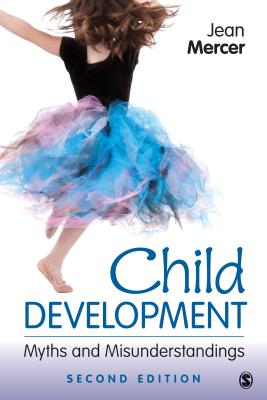
In Child Development: Myths and Misunderstandings, 2e, Jean Mercer uses intriguing vignettes and questions about children and families to guide readers in thinking critically about 59 common beliefs. Each essay confronts commonly held misconceptions about development, encouraging students to think like social scientists and to become better consumers of media messages and anecdotal stories. The book can be assigned to parallel either chronologically or topically organized child development texts.
Features and Benefits:
Log in to write a review for this book.
No reviews yet. Be the first to share your opinion.
Biography not available.