Allmaras, R.R. Author
Biography not available.

Browse all FOLKLORE books
Browse all GARDENS books
Browse all GRAPHIC NOVELS books
Browse all HISTORY - MEDIEVAL books
Browse all HUMOUR books
Browse all Juvenile Fiction : Biographical - Other books
Browse all Juvenile Fiction : Historical - Other books
Browse all Juvenile Fiction : Legends, Myths, & Fables - Other books
Browse all Juvenile Fiction : People & Places - Other books
Browse all Juvenile Fiction : People & Places - United States - Other books
Browse all Juvenile Fiction : Religious - Other books
Browse all Juvenile Nonfiction : History - Other books
Browse all Juvenile Nonfiction : Mathematics - Advanced books
Browse all Juvenile Nonfiction : People & Places - Other books
Browse all Juvenile Nonfiction : People & Places - United States - Othe books
Browse all LITERARY STUDIES books
Browse all LONDON books
Browse all Medical : Nursing - Mental Health books
Browse all MIND books
Browse all MUSEOLOGY books
Browse all NON-CLASSIFIABLE books
Browse all NONLINEAR SCIENCE books
Browse all POPULAR SCIENCE books
Browse all RELIGIOUS STUDIES books
Browse all SPIRIT books
Browse all SPORT books
Browse all TRAVEL WRITING books
 Out of Stock
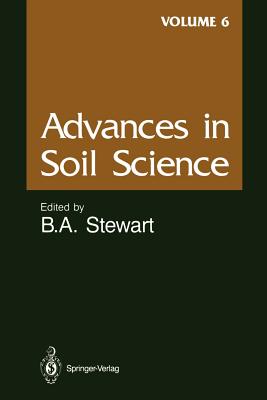
ADVANCES IN SOIL SCIENCE SOFTC
Paperback · ISBN 9781461291121
Inclusive of GST and other taxes
Arriving at your doorstep in 10-15 days
Our logisitcs team will make sure everyitem is delivered safely
| ISBN | 9781461291121 |
|---|---|
| Subtitle | ADVANCES IN SOIL SCIENCE SOFTC |
| Publisher | Springer |
| Publication date | October 2011 |
| Language | English |
| MRP | £89.99 GBP |
| Page count | 236 |
| Item weight | 75 g |
The world needs for food and fiber continue to increase. Population growth in the developing countries peaked at 2. 4 percent a year in 1965 and has fallen to about 2. I percent. However, in many developing countries almost half the people are under 15 years of age, poised to enter their productive and reproductive years. The challenges to produce enough food for this growing population will remain great. Even more challenging is growing the food in the areas of greatest need. Presently the world has great surpluses of food and fiber in some areas while there are devastating deficiencies in other areas. Economic conditions and the lack of suitable infrastructure for distribution all too often limit the alleviation of hunger even when there are adequate supplies, sometimes even within the country itself. World hunger can only be solved in the long run by increasing crop production in the areas where the population is growing most rapidly. This will require increased efforts of both the developed and developing countries. Much of the technology that is so successful for crop production in the developed countries cannot be utilized directly in the developing countries. Many of the principles, however, can and must be adapted to the conditions, both physical and economic, of the developing countries. This series, Advances in Soil Science.
Log in to write a review for this book.
No reviews yet. Be the first to share your opinion.
Biography not available.
Biography not available.
Biography not available.