Vischer, Jacqueline C. Author
Biography not available.

Browse all FOLKLORE books
Browse all GARDENS books
Browse all GRAPHIC NOVELS books
Browse all HISTORY - MEDIEVAL books
Browse all HUMOUR books
Browse all Juvenile Fiction : Biographical - Other books
Browse all Juvenile Fiction : Historical - Other books
Browse all Juvenile Fiction : Legends, Myths, & Fables - Other books
Browse all Juvenile Fiction : People & Places - Other books
Browse all Juvenile Fiction : People & Places - United States - Other books
Browse all Juvenile Fiction : Religious - Other books
Browse all Juvenile Nonfiction : History - Other books
Browse all Juvenile Nonfiction : Mathematics - Advanced books
Browse all Juvenile Nonfiction : People & Places - Other books
Browse all Juvenile Nonfiction : People & Places - United States - Othe books
Browse all LITERARY STUDIES books
Browse all LONDON books
Browse all Medical : Nursing - Mental Health books
Browse all MIND books
Browse all MUSEOLOGY books
Browse all NON-CLASSIFIABLE books
Browse all NONLINEAR SCIENCE books
Browse all POPULAR SCIENCE books
Browse all RELIGIOUS STUDIES books
Browse all SPIRIT books
Browse all SPORT books
Browse all TRAVEL WRITING books
 Out of Stock
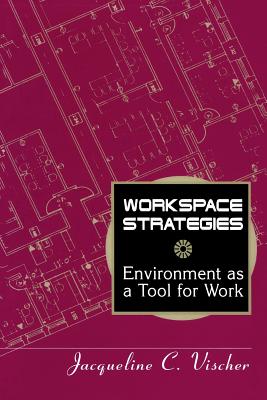
WORKSPACE STRATEGIES 1996/E
Paperback · ISBN 9781468477863
Inclusive of GST and other taxes
Arriving at your doorstep in 10-15 days
Our logisitcs team will make sure everyitem is delivered safely
| ISBN | 9781468477863 |
|---|---|
| Subtitle | WORKSPACE STRATEGIES 1996/E |
| Publisher | Springer |
| Publication date | November 2013 |
| Language | English |
| MRP | £79.99 GBP |
| Page count | 260 |
| Item weight | 78 g |
We live in era of transformation--of technology, of social values, and of the way work is done. This book represents a timely and innovative ad- dition to current thinking and writing about transformation in organiza- tions. In order to meet an increasingly global and competitive environment, organizations are undergoing reengineering, work process redesign, "right sizing," creating a "virtual office," and other forms of restructur- ing and basic change of the way work is accomplished. Such transfor- mation means analyzing and redesigning core processes in organizations around new kinds of principles such as "total quality" and customer service. The eventual effect of these changes is likely to be the networked or "boundary-Iess" organization, in which the tradi- tional boundaries between functions and between producers and their suppliers-and sometimes even between organizations and their com- petitors-are broken down. The goal of such transformation is to make the work of the organization more efficient and productive-to produce more with fewer resources and at a lower cost. In the conventional view of the transformation process, certain sec- ondary concerns, such as the need to protect the environment or to help an increasingly heterogeneous work force deal with its personal issues, are seen as problematic for this core thrust. Some recent work, however, is beginning to show that if these so-called secondary concerns are con- sidered central, far from being problematic, they actually present strat- egy opportunities for productive innovation and change.
Log in to write a review for this book.
No reviews yet. Be the first to share your opinion.
Biography not available.