Clark, Tony Author
Biography not available.

Browse all FOLKLORE books
Browse all GARDENS books
Browse all GRAPHIC NOVELS books
Browse all HISTORY - MEDIEVAL books
Browse all HUMOUR books
Browse all Juvenile Fiction : Biographical - Other books
Browse all Juvenile Fiction : Historical - Other books
Browse all Juvenile Fiction : Legends, Myths, & Fables - Other books
Browse all Juvenile Fiction : People & Places - Other books
Browse all Juvenile Fiction : People & Places - United States - Other books
Browse all Juvenile Fiction : Religious - Other books
Browse all Juvenile Nonfiction : History - Other books
Browse all Juvenile Nonfiction : Mathematics - Advanced books
Browse all Juvenile Nonfiction : People & Places - Other books
Browse all Juvenile Nonfiction : People & Places - United States - Othe books
Browse all LITERARY STUDIES books
Browse all LONDON books
Browse all Medical : Nursing - Mental Health books
Browse all MIND books
Browse all MUSEOLOGY books
Browse all NON-CLASSIFIABLE books
Browse all NONLINEAR SCIENCE books
Browse all POPULAR SCIENCE books
Browse all RELIGIOUS STUDIES books
Browse all SPIRIT books
Browse all SPORT books
Browse all TRAVEL WRITING books
 Out of Stock
Hardback · ISBN 9781498210904
Inclusive of GST and other taxes
Arriving at your doorstep in 10-15 days
Our logisitcs team will make sure everyitem is delivered safely
| ISBN | 9781498210904 |
|---|---|
| Publisher | Cascade Books |
| Publication date | January 2008 |
| Language | English |
| MRP | £40.00 GBP |
| Page count | 244 |
| Item weight | 117 g |
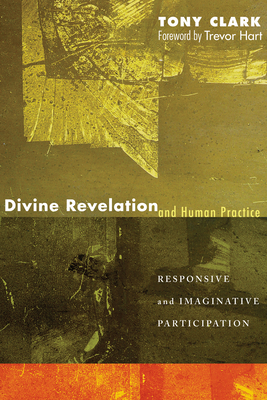
In this creative contribution to the doctrine of revelation, Clark seeks to develop and articulate an understanding of God's self-disclosure located in the participation of the ecclesial community in the trinitarian life of God. Clark takes as his point of departure Karl Barth's doctrine of the Word of God. Barth has impressed upon theology that revelation is primarily an event in which God establishes relationship with humanity in an act of his sovereign freedom. But what is the role of human participation in this revelatory event? It is here that Barth's account is less than satisfactory, and this shortcoming points to the principal theme of the book. Addressing this theme, Clark engages with the work of Michael Polanyi, whose philosophy provides a potent resource for the task. One profoundly innovative aspect of Polanyi's work is his theory of tacit knowledge, which demonstrates how articulate knowledge (conceptual understanding) arises out of knowledge established through practical and intrinsically imaginative participation in particular practices or "life-ways." Although we depend upon such knowledge, we can articulate it only in part. We know more than we can tell. This insight has profound implications for the doctrine of revelation. It suggests that knowledge of God is necessarily bound up with the various practices of the church in which Christians are imaginatively engaged and through which God makes himself known. It also suggests that such knowledge cannot be fully articulated. Clark does not deny the possibility or the importance of doctrinal formulation, but he does issue a reminder that theological statements are only possible because God gives himself to be known in the life and practices of the church. This substantial work provides important and original proposals for rearticulating the doctrine of revelation.
Log in to write a review for this book.
No reviews yet. Be the first to share your opinion.
Biography not available.
Biography not available.