Santos, Gabriel A. Author
Biography not available.

Browse all FOLKLORE books
Browse all GARDENS books
Browse all GRAPHIC NOVELS books
Browse all HISTORY - MEDIEVAL books
Browse all HUMOUR books
Browse all Juvenile Fiction : Biographical - Other books
Browse all Juvenile Fiction : Historical - Other books
Browse all Juvenile Fiction : Legends, Myths, & Fables - Other books
Browse all Juvenile Fiction : People & Places - Other books
Browse all Juvenile Fiction : People & Places - United States - Other books
Browse all Juvenile Fiction : Religious - Other books
Browse all Juvenile Nonfiction : History - Other books
Browse all Juvenile Nonfiction : Mathematics - Advanced books
Browse all Juvenile Nonfiction : People & Places - Other books
Browse all Juvenile Nonfiction : People & Places - United States - Othe books
Browse all LITERARY STUDIES books
Browse all LONDON books
Browse all Medical : Nursing - Mental Health books
Browse all MIND books
Browse all MUSEOLOGY books
Browse all NON-CLASSIFIABLE books
Browse all NONLINEAR SCIENCE books
Browse all POPULAR SCIENCE books
Browse all RELIGIOUS STUDIES books
Browse all SPIRIT books
Browse all SPORT books
Browse all TRAVEL WRITING books
 Out of Stock
Hardback · ISBN 9781498211222
Inclusive of GST and other taxes
Arriving at your doorstep in 10-15 days
Our logisitcs team will make sure everyitem is delivered safely
| ISBN | 9781498211222 |
|---|---|
| Publisher | Cascade Books |
| Publication date | January 2009 |
| Language | English |
| MRP | £55.00 GBP |
| Page count | 326 |
| Item weight | 143 g |
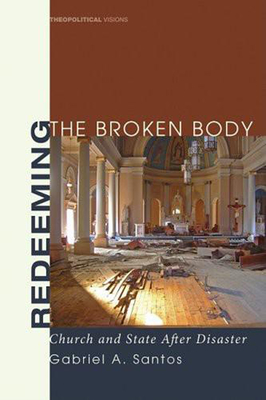
This book examines how repertoires of speech and action that are often considered to be mutually exclusive--those of church and state--clash or unite during the postdisaster period as local communities and cities struggle to establish a stable collective identity. Based on an analysis of forty in-depth interviews with disaster-response participants and over 325 print-media sources, this study explores, first, the extent to which ministers and citizens challenge statist narratives in order to publicly relay theological views; second, the cultural processes by which local places are nationalized and theologized; and third, the ecclesiological convictions necessary to peaceably advance the work of Christ's body after disasters.
Log in to write a review for this book.
No reviews yet. Be the first to share your opinion.
Biography not available.