Knight, Robert M. Author
Biography not available.

Browse all FOLKLORE books
Browse all GARDENS books
Browse all GRAPHIC NOVELS books
Browse all HISTORY - MEDIEVAL books
Browse all HUMOUR books
Browse all Juvenile Fiction : Biographical - Other books
Browse all Juvenile Fiction : Historical - Other books
Browse all Juvenile Fiction : Legends, Myths, & Fables - Other books
Browse all Juvenile Fiction : People & Places - Other books
Browse all Juvenile Fiction : People & Places - United States - Other books
Browse all Juvenile Fiction : Religious - Other books
Browse all Juvenile Nonfiction : History - Other books
Browse all Juvenile Nonfiction : Mathematics - Advanced books
Browse all Juvenile Nonfiction : People & Places - Other books
Browse all Juvenile Nonfiction : People & Places - United States - Othe books
Browse all LITERARY STUDIES books
Browse all LONDON books
Browse all Medical : Nursing - Mental Health books
Browse all MIND books
Browse all MUSEOLOGY books
Browse all NON-CLASSIFIABLE books
Browse all NONLINEAR SCIENCE books
Browse all POPULAR SCIENCE books
Browse all RELIGIOUS STUDIES books
Browse all SPIRIT books
Browse all SPORT books
Browse all TRAVEL WRITING books
 Out of Stock
Hardback · ISBN 9781498251181
Inclusive of GST and other taxes
Arriving at your doorstep in 10-15 days
Our logisitcs team will make sure everyitem is delivered safely
| ISBN | 9781498251181 |
|---|---|
| Publisher | Resource Publications |
| Publication date | January 2009 |
| Language | English |
| MRP | £36.00 GBP |
| Page count | 214 |
| Item weight | 101 g |
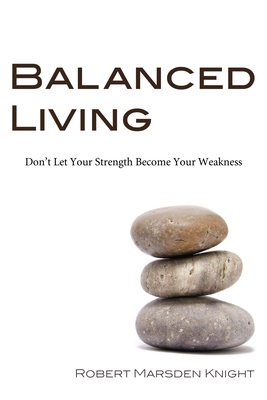
In Balanced Living: Don't Let Your Strength Become Your Weakness, Robert Knight develops the theme of balance as central to good mental health, to moral and spiritual health, to emotional well-being, and to social functioning. This theme emerges from his more than thirty years of experience as a Christian minister, as a counselor, as a teacher and clinical supervisor of counselors, as well as from experience as a management and human-relations consultant. According to Knight, when we are failing or falling, it isn't always because of some inadequacy or limitation; it is rather because we have taken a strength (or it has taken us) too far--a strength that has become a weakness. The signature chapter, "Balanced Living," addresses such common tensions as success and failure. It asks: How seriously do you take yourself? What time is it in your life? Following chapters cover balanced families, balance and personality type (using the Myers-Briggs Type Indicator), and balanced religion (achieving healthy moral and spiritual balance). Based on common questions, the chapter on "Counseling and Psychotherapy" guides consumers of professional counseling services. Topics include the various types of mental health service providers and theoretical approaches to counseling. The final chapter discusses human developmental models (in particular that of Erik Erikson), addresses certain values implicit in the counseling process, and treats certain theological assumptions from a Hebrew-Christian perspective. Mental health professionals, pastors, and others involved in helping people (as well as students preparing for such vocations) will find this book informative and challenging, perhaps even confirming. The book also engages laypersons--consumers of professional counseling and related mental, emotional, moral, spiritual, and relational health services. Of particular value are the case studies, examples, and illustrations presented in Balanced Living: Don't Let Your Strength Become Your Weakness.
Log in to write a review for this book.
No reviews yet. Be the first to share your opinion.
Biography not available.