Cook, Rodney Mims, Jr. Author
Biography not available.

Browse all FOLKLORE books
Browse all GARDENS books
Browse all GRAPHIC NOVELS books
Browse all HISTORY - MEDIEVAL books
Browse all HUMOUR books
Browse all Juvenile Fiction : Biographical - Other books
Browse all Juvenile Fiction : Historical - Other books
Browse all Juvenile Fiction : Legends, Myths, & Fables - Other books
Browse all Juvenile Fiction : People & Places - Other books
Browse all Juvenile Fiction : People & Places - United States - Other books
Browse all Juvenile Fiction : Religious - Other books
Browse all Juvenile Nonfiction : History - Other books
Browse all Juvenile Nonfiction : Mathematics - Advanced books
Browse all Juvenile Nonfiction : People & Places - Other books
Browse all Juvenile Nonfiction : People & Places - United States - Othe books
Browse all LITERARY STUDIES books
Browse all LONDON books
Browse all Medical : Nursing - Mental Health books
Browse all MIND books
Browse all MUSEOLOGY books
Browse all NON-CLASSIFIABLE books
Browse all NONLINEAR SCIENCE books
Browse all POPULAR SCIENCE books
Browse all RELIGIOUS STUDIES books
Browse all SPIRIT books
Browse all SPORT books
Browse all TRAVEL WRITING books
 Out of Stock
Hardback · ISBN 9781531667887
Inclusive of GST and other taxes
Arriving at your doorstep in 10-15 days
Our logisitcs team will make sure everyitem is delivered safely
| ISBN | 9781531667887 |
|---|---|
| Publisher | Arcadia Publishing Library Editions |
| Publication date | June 2013 |
| Language | English |
| MRP | £24.99 GBP |
| Page count | 130 |
| Item weight | 91 g |
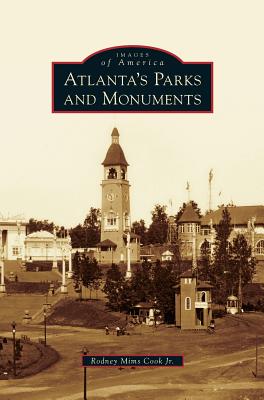
Since the city's beginnings after the War of 1812, Atlanta has had a tradition of building with a regard for becoming a world-class metropolis. Before being burned by Union general William T. Sherman in 1864, the city's appearance was described by noted European architect and urban planner Leon Krier as "looking like London in the 18th century." Atlanta was surrounded by estates and plantations, and many of the plantation builders were influenced by Greek and Roman architecture. The argument of slavery to the contrary, builders saw Greek temples as symbols of democracy and, as a result, embraced Greek and Roman revival architecture as the dominant national style. Great monuments followed in this tradition to the letter in the capital of the South.
Log in to write a review for this book.
No reviews yet. Be the first to share your opinion.
Biography not available.