Friis, Jessica Author
Biography not available.

Browse all FOLKLORE books
Browse all GARDENS books
Browse all GRAPHIC NOVELS books
Browse all HISTORY - MEDIEVAL books
Browse all HUMOUR books
Browse all Juvenile Fiction : Biographical - Other books
Browse all Juvenile Fiction : Historical - Other books
Browse all Juvenile Fiction : Legends, Myths, & Fables - Other books
Browse all Juvenile Fiction : People & Places - Other books
Browse all Juvenile Fiction : People & Places - United States - Other books
Browse all Juvenile Fiction : Religious - Other books
Browse all Juvenile Nonfiction : History - Other books
Browse all Juvenile Nonfiction : Mathematics - Advanced books
Browse all Juvenile Nonfiction : People & Places - Other books
Browse all Juvenile Nonfiction : People & Places - United States - Othe books
Browse all LITERARY STUDIES books
Browse all LONDON books
Browse all Medical : Nursing - Mental Health books
Browse all MIND books
Browse all MUSEOLOGY books
Browse all NON-CLASSIFIABLE books
Browse all NONLINEAR SCIENCE books
Browse all POPULAR SCIENCE books
Browse all RELIGIOUS STUDIES books
Browse all SPIRIT books
Browse all SPORT books
Browse all TRAVEL WRITING books
 Out of Stock
Hardback · ISBN 9781540252333
Inclusive of GST and other taxes
Arriving at your doorstep in 10-15 days
Our logisitcs team will make sure everyitem is delivered safely
| ISBN | 9781540252333 |
|---|---|
| Publisher | ARCADIA PUB (SC) |
| Publication date | May 2022 |
| Language | English |
| MRP | £26.99 GBP |
| Page count | 130 |
| Item weight | 80 g |
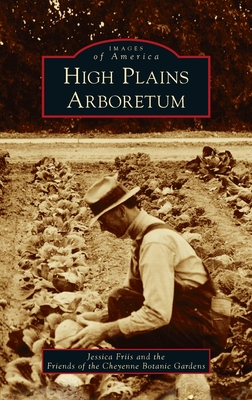
Decades after the Homestead Act, many settlers had tried and failed to establish roots in the high plains of Wyoming. Altitude, wind, dry conditions, and lack of winter snow cover desiccated plants, making it especially hard for trees to survive. In 1929, the US Department of Agriculture (USDA) constructed a field station to research plants that could tolerate Cheyenne's harsh climate. From 1930 to 1974, many varieties of small fruits, vegetables, shrubs, and trees were tested. Plants from similar climates around the world, some as far away as China and Siberia, were also tested at the station. When the focus shifted in 1974 to grasslands research, much of the horticultural plant stock was removed or lost. Thanks to the efforts of concerned citizens, a 62-acre block of historic trees was renamed the High Plains Arboretum and opened to the public in 2008. The arboretum is now owned by the City of Cheyenne, with preservation efforts contributed by the Urban Forestry Division and the Cheyenne Botanic Gardens.
Log in to write a review for this book.
No reviews yet. Be the first to share your opinion.
Biography not available.
Biography not available.