Schwartz, Sydney L. Author
Biography not available.

Browse all FOLKLORE books
Browse all GARDENS books
Browse all GRAPHIC NOVELS books
Browse all HISTORY - MEDIEVAL books
Browse all HUMOUR books
Browse all Juvenile Fiction : Biographical - Other books
Browse all Juvenile Fiction : Historical - Other books
Browse all Juvenile Fiction : Legends, Myths, & Fables - Other books
Browse all Juvenile Fiction : People & Places - Other books
Browse all Juvenile Fiction : People & Places - United States - Other books
Browse all Juvenile Fiction : Religious - Other books
Browse all Juvenile Nonfiction : History - Other books
Browse all Juvenile Nonfiction : Mathematics - Advanced books
Browse all Juvenile Nonfiction : People & Places - Other books
Browse all Juvenile Nonfiction : People & Places - United States - Othe books
Browse all LITERARY STUDIES books
Browse all LONDON books
Browse all Medical : Nursing - Mental Health books
Browse all MIND books
Browse all MUSEOLOGY books
Browse all NON-CLASSIFIABLE books
Browse all NONLINEAR SCIENCE books
Browse all POPULAR SCIENCE books
Browse all RELIGIOUS STUDIES books
Browse all SPIRIT books
Browse all SPORT books
Browse all TRAVEL WRITING books
 Out of Stock
TEACHING YOUNG CHILDREN MATHEM
Paperback · ISBN 9781578867011
Inclusive of GST and other taxes
Arriving at your doorstep in 10-15 days
Our logisitcs team will make sure everyitem is delivered safely
| ISBN | 9781578867011 |
|---|---|
| Subtitle | TEACHING YOUNG CHILDREN MATHEM |
| Publisher | R&L Education |
| Publication date | February 2008 |
| Language | English |
| MRP | £38.99 GBP |
| Page count | 226 |
| Item weight | 68 g |
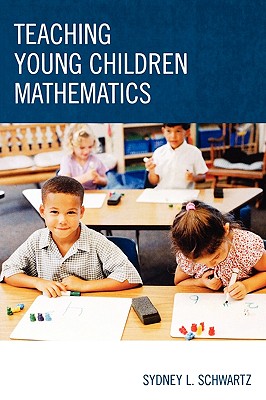
Children learn mathematics most effectively in contexts that are meaningful to them. In order to realize the potential of those contexts for fostering young children's mathematical learning, knowledge or mathematics as well as child development is the way to nurture and challenge children's thinking. Avoiding the debates surrounding "hands-on" learning vs. direct instruction, the author focuses on the value of different contexts for learning and illustrates ways to genuinely engage children as active learners. The work is rich with examples of children's interactions with each other and with adults as they utilize and extend their understanding of mathematics. Examples and guidelines for developing lessons and activities will be useful to educators and parents.
Chapters explore such topics as: how we underestimate young children's mathematical capabilities; how appropriate sequencing of learning and building on prior knowledge will enhance understanding; what teachers, including parent-teachers, need to know; and high-stakes testing. This is a work that brings together the connections between knowing the basics and constructing knowledge in accessible and practical ways.
Log in to write a review for this book.
No reviews yet. Be the first to share your opinion.
Biography not available.