Thompson, Jay Everett Author
Biography not available.

Browse all FOLKLORE books
Browse all GARDENS books
Browse all GRAPHIC NOVELS books
Browse all HISTORY - MEDIEVAL books
Browse all HUMOUR books
Browse all Juvenile Fiction : Biographical - Other books
Browse all Juvenile Fiction : Historical - Other books
Browse all Juvenile Fiction : Legends, Myths, & Fables - Other books
Browse all Juvenile Fiction : People & Places - Other books
Browse all Juvenile Fiction : People & Places - United States - Other books
Browse all Juvenile Fiction : Religious - Other books
Browse all Juvenile Nonfiction : History - Other books
Browse all Juvenile Nonfiction : Mathematics - Advanced books
Browse all Juvenile Nonfiction : People & Places - Other books
Browse all Juvenile Nonfiction : People & Places - United States - Othe books
Browse all LITERARY STUDIES books
Browse all LONDON books
Browse all Medical : Nursing - Mental Health books
Browse all MIND books
Browse all MUSEOLOGY books
Browse all NON-CLASSIFIABLE books
Browse all NONLINEAR SCIENCE books
Browse all POPULAR SCIENCE books
Browse all RELIGIOUS STUDIES books
Browse all SPIRIT books
Browse all SPORT books
Browse all TRAVEL WRITING books
 Out of Stock
Paperback · ISBN 9781606087046
Inclusive of GST and other taxes
Arriving at your doorstep in 10-15 days
Our logisitcs team will make sure everyitem is delivered safely
| ISBN | 9781606087046 |
|---|---|
| Publisher | Wipf and Stock |
| Publication date | September 2009 |
| Language | English |
| MRP | £20.00 GBP |
| Page count | 168 |
| Item weight | 52 g |
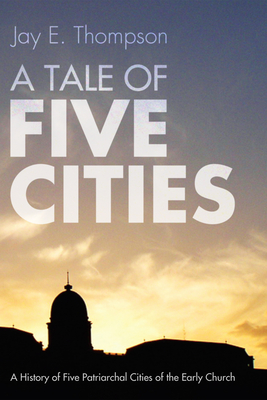
The worship and organization of the Christian church must be defined by the Hellenistic world in which it took root and emerged victorious over Roman Imperial paganism. The struggle of the early church to maintain a testimony and doctrine that would be faithful to the "Rule of Faith"--which was established by the authority of certain Apostles who had the biggest impact in setting up the missional churches of the first century--and would conform to Jesus Christ's earthly ministry. Eusebia (piety) marks the Hellenistic understanding of all worship based on the relationships that are changed as a result of an encounter with a supreme being. This opens the door to explore all the aspects of Church History as a product of corporate worship. Five cities emerge in the apologetic and concilar church ages (150-850 CE) that have the greatest impact on the world of Christianity for all time. Those churches are called the Patristic churches because their bishops became the power holders of all the churches (for good or for bad). This book provides insight into the contribution of the five patriarchal cities (Jerusalem, Antioch, Alexandria, Rome, and Constantinople) to the worship, polity, doctrine, and traditions of the church. The account begins with the exegetical back-drop of the Hebrew and Greek words for worship and the impact of these in the milieu of a Jewish church and a gentile church. The study of the patriarchal leadership in the apostolic, apologetic, and concilar ages of the church marks a clear direction of the church to the beginnings of the medieval era. It clearly delineates the differences in the East and West and the struggles within the Empire to gain unity through preeminence of polity. A unique approach was taken to combine the historical events and activities of the leaders of each of the churches with motive and intent toward good or bad. It was written from a Protestant and Orthodox perspective, which adds insight to set up the spiritual and theological reasons for the Reformation that begun under Wycliffe, Huss, and later Luther.
Log in to write a review for this book.
No reviews yet. Be the first to share your opinion.
Biography not available.