Arriaga, Eduard Editor
Biography not available.

Browse all FOLKLORE books
Browse all GARDENS books
Browse all GRAPHIC NOVELS books
Browse all HISTORY - MEDIEVAL books
Browse all HUMOUR books
Browse all Juvenile Fiction : Biographical - Other books
Browse all Juvenile Fiction : Historical - Other books
Browse all Juvenile Fiction : Legends, Myths, & Fables - Other books
Browse all Juvenile Fiction : People & Places - Other books
Browse all Juvenile Fiction : People & Places - United States - Other books
Browse all Juvenile Fiction : Religious - Other books
Browse all Juvenile Nonfiction : History - Other books
Browse all Juvenile Nonfiction : Mathematics - Advanced books
Browse all Juvenile Nonfiction : People & Places - Other books
Browse all Juvenile Nonfiction : People & Places - United States - Othe books
Browse all LITERARY STUDIES books
Browse all LONDON books
Browse all Medical : Nursing - Mental Health books
Browse all MIND books
Browse all MUSEOLOGY books
Browse all NON-CLASSIFIABLE books
Browse all NONLINEAR SCIENCE books
Browse all POPULAR SCIENCE books
Browse all RELIGIOUS STUDIES books
Browse all SPIRIT books
Browse all SPORT books
Browse all TRAVEL WRITING books
 Out of Stock
Hardback · ISBN 9781683402046
Inclusive of GST and other taxes
Arriving at your doorstep in 10-15 days
Our logisitcs team will make sure everyitem is delivered safely
| ISBN | 9781683402046 |
|---|---|
| Publisher | University of Florida Press |
| Publication date | June 2021 |
| Language | English |
| MRP | £72.00 GBP |
| Page count | 194 |
| Item weight | 101 g |
How Black Latinx communities are using digital technology to achieve visibility and social justice
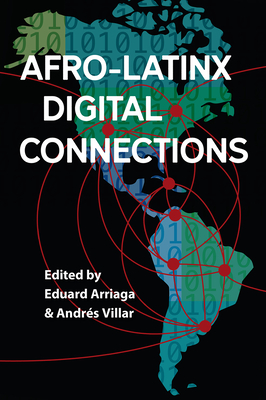
This volume presents examples of how digital technologies are being used by people of African descent in South America and the Caribbean, a topic that has been overlooked within the field of digital humanities. These case studies show that in the last few decades, Black Latinx communities have been making themselves visible and asserting long-standing claims and rights through digital tools and platforms, which have been essential for enacting discussions and creating new connections between diverse groups.
Afro-Latinx Digital Connections includes both research articles and interviews with practitioners who are working to create opportunities for marginalized communities. Projects discussed in this volume range from an Afrodescendant digital archive in Argentina, blog networks in Cuba, an NGO dedicated to democratizing technology in Brazilian favelas, and the recruitment of digital media to fight racism in Peru. Contributors demonstrate that these tools need not be state of the art to be effective and that they are often most useful when employed to sustain a resilience that is deep and historically grounded.
Digital connections are shown here as a means to achieve social justice and to create complex self-representations that challenge racist images of Afrodescendant peoples and monolithic conceptions of humanity. This volume expands the scope of digital humanities and challenges views of the field as a predominantly white discipline.
Log in to write a review for this book.
No reviews yet. Be the first to share your opinion.
Biography not available.
Biography not available.