Barnes, Michel René|| Author
Biography not available.

Browse all FOLKLORE books
Browse all GARDENS books
Browse all GRAPHIC NOVELS books
Browse all HISTORY - MEDIEVAL books
Browse all HUMOUR books
Browse all Juvenile Fiction : Biographical - Other books
Browse all Juvenile Fiction : Historical - Other books
Browse all Juvenile Fiction : Legends, Myths, & Fables - Other books
Browse all Juvenile Fiction : People & Places - Other books
Browse all Juvenile Fiction : People & Places - United States - Other books
Browse all Juvenile Fiction : Religious - Other books
Browse all Juvenile Nonfiction : History - Other books
Browse all Juvenile Nonfiction : Mathematics - Advanced books
Browse all Juvenile Nonfiction : People & Places - Other books
Browse all Juvenile Nonfiction : People & Places - United States - Othe books
Browse all LITERARY STUDIES books
Browse all LONDON books
Browse all Medical : Nursing - Mental Health books
Browse all MIND books
Browse all MUSEOLOGY books
Browse all NON-CLASSIFIABLE books
Browse all NONLINEAR SCIENCE books
Browse all POPULAR SCIENCE books
Browse all RELIGIOUS STUDIES books
Browse all SPIRIT books
Browse all SPORT books
Browse all TRAVEL WRITING books
 Out of Stock
Hardback · ISBN 9781725292161
Inclusive of GST and other taxes
Arriving at your doorstep in 10-15 days
Our logisitcs team will make sure everyitem is delivered safely
| ISBN | 9781725292161 |
|---|---|
| Publisher | Cascade Books |
| Publication date | February 2023 |
| Language | English |
| MRP | £50.00 GBP |
| Page count | 344 |
| Item weight | 180 g |
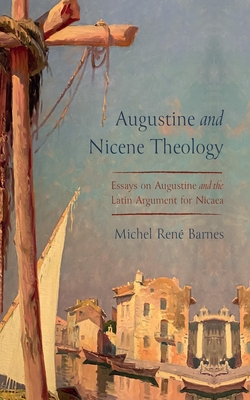
This book draws together a collection of thirteen published and unpublished articles which together constitute a new reading of the character and development of Latin Trinitarian theology in the fourth and fifth centuries. The focus of the essays is on Augustine of Hippo (354-430 CE), but Augustine is treated here as an inheritor of earlier Latin tradition. Many of the figures of that tradition here receive a new interpretation--particularly Marius Victorinus. Augustine himself is explored from many angles; at every turn the developments in his theology are shown to be a response to the anti-Nicene theologies of the period. The beginning of the book discusses the manner in which modern "systematic" theology has engaged Augustine only through a simplified version of late-nineteenth-century categories. In conclusion, the broader question of how far modern theology can actually engage Patristic theology is explored at length.
Log in to write a review for this book.
No reviews yet. Be the first to share your opinion.
Biography not available.