Harvey, Colin Editor
Biography not available.

Browse all FOLKLORE books
Browse all GARDENS books
Browse all GRAPHIC NOVELS books
Browse all HISTORY - MEDIEVAL books
Browse all HUMOUR books
Browse all Juvenile Fiction : Biographical - Other books
Browse all Juvenile Fiction : Historical - Other books
Browse all Juvenile Fiction : Legends, Myths, & Fables - Other books
Browse all Juvenile Fiction : People & Places - Other books
Browse all Juvenile Fiction : People & Places - United States - Other books
Browse all Juvenile Fiction : Religious - Other books
Browse all Juvenile Nonfiction : History - Other books
Browse all Juvenile Nonfiction : Mathematics - Advanced books
Browse all Juvenile Nonfiction : People & Places - Other books
Browse all Juvenile Nonfiction : People & Places - United States - Othe books
Browse all LITERARY STUDIES books
Browse all LONDON books
Browse all Medical : Nursing - Mental Health books
Browse all MIND books
Browse all MUSEOLOGY books
Browse all NON-CLASSIFIABLE books
Browse all NONLINEAR SCIENCE books
Browse all POPULAR SCIENCE books
Browse all RELIGIOUS STUDIES books
Browse all SPIRIT books
Browse all SPORT books
Browse all TRAVEL WRITING books
 Out of Stock
Hardback · ISBN 9781849461009
Inclusive of GST and other taxes
Arriving at your doorstep in 10-15 days
Our logisitcs team will make sure everyitem is delivered safely
| ISBN | 9781849461009 |
|---|---|
| Publisher | Bloomsbury 3PL |
| Publication date | July 2012 |
| Language | English |
| MRP | £90.00 GBP |
| Page count | 286 |
| Item weight | 128 g |
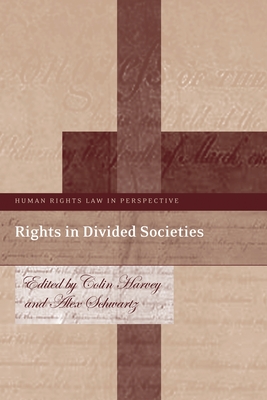
This collection examines the role and value of rights in divided and post-conflict societies, approaching the subject from a comparative and theoretical perspective.
Societies emerging from violent conflict often opt for a bill of rights as part of a wider package of constitutional reform. Where conflict is fuelled by longstanding ethno-national divisions, these divisions are often addressed through group-differentiated rights. Recent constitutional settlements have highlighted the difficulties in drafting a bill of rights in divided/post-conflict societies, where the aim of promoting unity is frequently in tension with the need to accommodate difference. In such cases, a bill of rights might be a rallying point around which both minorities and the majority can articulate a common vision for a shared society. Conversely, a bill of rights might provide merely another venue in which to play out familiar conflicts, further dividing an already divided society.
The central questions that animate the collection are: (1) Can constitutional rights provide a basis for unity and a common 'human rights culture' in divided societies? If so, how? (2) To what extent should divided societies opt for a universalistic package of rights protections, or should the rights be tailored to the specific circumstances of a divided society, providing for special group-sensitive protections for minorities? (3) Is a divided society more or less likely to adopt a bill of rights? (4) How does the judiciary figure in the management or resolution of ethno-national conflict? (5) What are the general theoretical and philosophical issues at stake in a rights-based approach to the management or resolution of ethno-national divisions or other conflicts?
Log in to write a review for this book.
No reviews yet. Be the first to share your opinion.
Biography not available.
Biography not available.