Peter, Burke Author
Biography not available.

Browse all ART CRITICISM books
Browse all Ashworth books
Browse all FOLKLORE books
Browse all GARDENS books
Browse all GRAPHIC NOVELS books
Browse all Hamilton books
Browse all HISTORY - MEDIEVAL books
Browse all HUMOUR books
Browse all KINDRED books
Browse all LITERARY STUDIES books
Browse all LONDON books
Browse all Lozada books
Browse all Medical : Nursing - Mental Health books
Browse all MIND books
Browse all MUSEOLOGY books
Browse all NON-CLASSIFIABLE books
Browse all NONLINEAR SCIENCE books
Browse all Ormonde books
Browse all POPULAR SCIENCE books
Browse all RELIGIOUS STUDIES books
Browse all SPIRIT books
Browse all SPORT books
Browse all TRAVEL WRITING books
 Out of Stock
The Uses of Images as Historical Evidence
Hardback · ISBN 9781861890924
Inclusive of GST and other taxes
Arriving at your doorstep in 8-10 days
Our logisitcs team will make sure everyitem is delivered safely
| ISBN | 9781861890924 |
|---|---|
| Subtitle | The Uses of Images as Historical Evidence |
| Publisher | Reaktion Books |
| Language | English |
| MRP | £25.00 GBP |
| Page count | 240 |
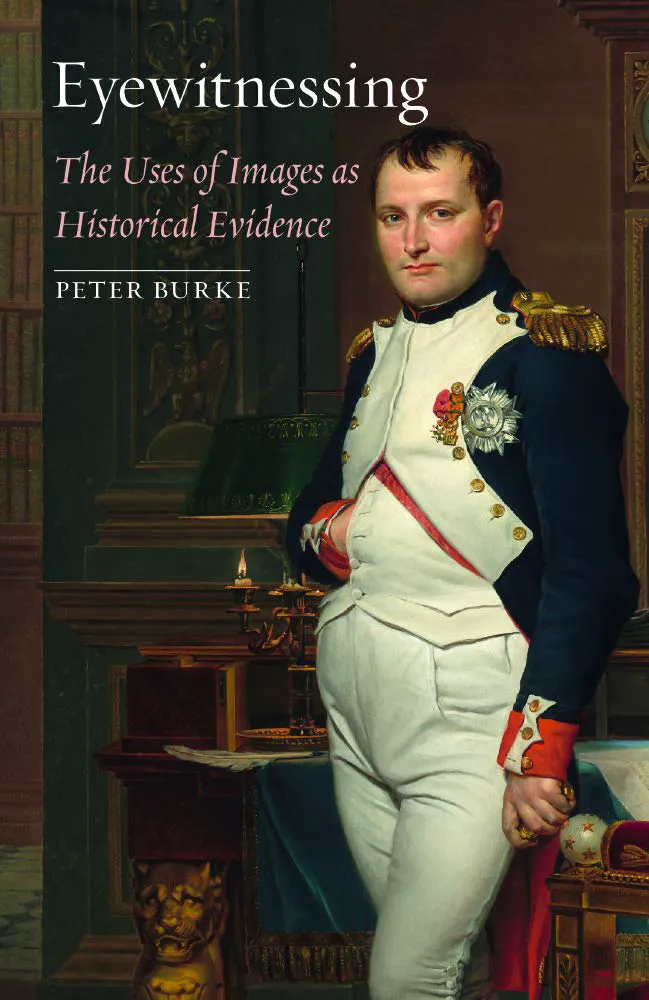
Eyewitnessing evaluates the place of images among other kinds of historical evidence. By reviewing the many varieties of images by region, period and medium, and looking at the pragmatic uses of images (e.g. the Bayeux Tapestry, an engraving of a printing press, a reconstruction of a building), Peter Burke sheds light on our assumption that these practical uses are ‘reflections’ of specific historical meanings and influences. He also shows how this assumption can be problematic. Traditional art historians have depended on two types of analysis when dealing with visual imagery: iconography and iconology. Burke describes and evaluates these approaches, concluding that they are insufficient. Focusing instead on the medium as message and on the social contexts and uses of images, he discusses both religious images and political ones, also looking at images in advertising and as commodities. Ultimately, Burke’s purpose is to show how iconographic and post-iconographic methods – psychoanalysis, semiotics, viewer response, deconstruction – are both useful and problematic to contemporary historians.
Log in to write a review for this book.
No reviews yet. Be the first to share your opinion.
Biography not available.