Jeffrey Sissons Author
Biography not available.

Browse all ART CRITICISM books
Browse all Ashworth books
Browse all BUSINESS AND ECONOMICS books
Browse all FOLKLORE books
Browse all GARDENS books
Browse all GRAPHIC NOVELS books
Browse all HISTORY - MEDIEVAL books
Browse all HUMOUR books
Browse all Juvenile Fiction : Biographical - Other books
Browse all Juvenile Fiction : Historical - Other books
Browse all Juvenile Fiction : Legends, Myths, & Fables - Other books
Browse all Juvenile Fiction : People & Places - Other books
Browse all Juvenile Fiction : People & Places - United States - Other books
Browse all Juvenile Fiction : Religious - Other books
Browse all Juvenile Nonfiction : History - Other books
Browse all Juvenile Nonfiction : Mathematics - Advanced books
Browse all Juvenile Nonfiction : People & Places - Other books
Browse all Juvenile Nonfiction : People & Places - United States - Othe books
Browse all KINDRED books
Browse all LITERARY STUDIES books
Browse all LONDON books
Browse all Lozada books
Browse all Medical : Nursing - Mental Health books
Browse all MIND books
Browse all MUSEOLOGY books
Browse all NON-CLASSIFIABLE books
Browse all NONLINEAR SCIENCE books
Browse all POPULAR SCIENCE books
Browse all RELIGIOUS STUDIES books
Browse all SPIRIT books
Browse all SPORT books
Browse all TRAVEL WRITING books
 Out of Stock
Indigenous Cultures and their Futures
Paperback · ISBN 9781861892416
Inclusive of GST and other taxes
Arriving at your doorstep in 8-10 days
Our logisitcs team will make sure everyitem is delivered safely
| ISBN | 9781861892416 |
|---|---|
| Subtitle | Indigenous Cultures and their Futures |
| Publisher | Reaktion Books |
| Language | English |
| MRP | £19.95 GBP |
| Page count | 176 |
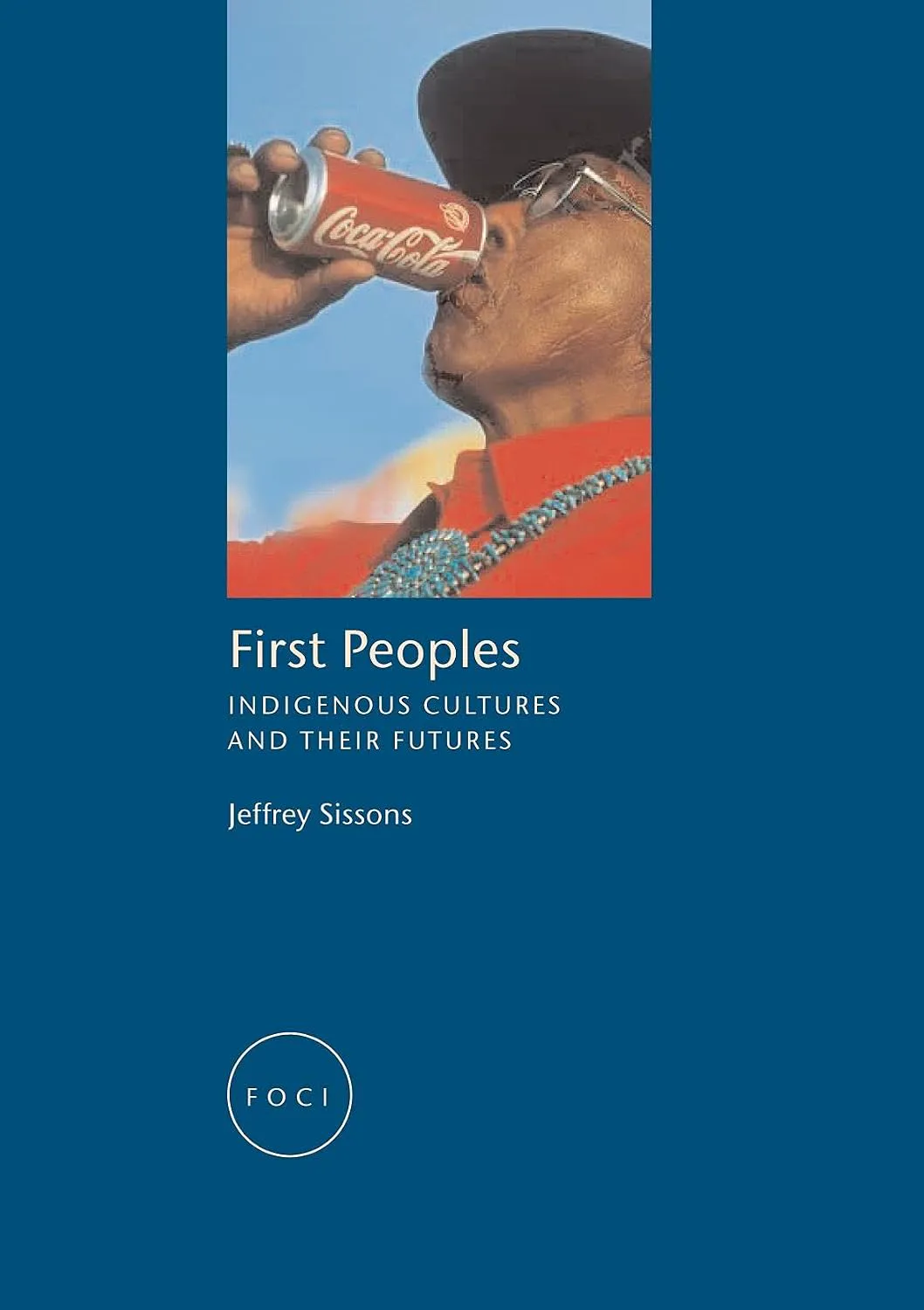
First Peoples argues, controversially, that far from disappearing in the face of global capitalism, indigenous cultures today are as diverse as they ever were. Rather than being absorbed into a uniform modernity, indigenous peoples are anticipating alternative futures and appropriating global resources for their own, culturally specific needs. For Sissons, however, the traditional and the modern are not mutually exclusive: indigenous cultures and nation-states are aspects of the same contemporary condition, and their apparently opposing position is an expression of the contradictory nature of modernity in the 21st century. Indigenous peoples often define themselves in terms of their struggle against oppressive exterior forces; by contrast, the metropolitan cultures they struggle against often cling precariously to the surfaces of their new land. But indigenous identities have also been forged through alliances between indigenous peoples at international forums and in other settings. The loose alliances throughout the indigenous world constitute an alternative political order to the global organization of states. For Inuit, Eskimo and Saami in the northern hemisphere, for Mayan, Maori and Aboriginal Australians in the southern, and for more than a hundred distinct peoples in between, culture has become more than a heritage: it is a project. The numerous cultural renaissances that occurred throughout the indigenous world in the second half of the 20th century were more than passing events. Their momentum has continued into the new millennium, while the challenges they pose to states and their bureaucracies have become increasingly urgent. While the economic and political issues addressed by indigenous groups were and are depressingly similar – racism, loss of land and resources, inadequate health and education services – the solutions have been characterized by enormous cultural diversity.
Log in to write a review for this book.
No reviews yet. Be the first to share your opinion.
Biography not available.