Sergiusz Michalski and Katarzyna Michalska Author
Biography not available.

Browse all ART CRITICISM books
Browse all Ashworth books
Browse all FOLKLORE books
Browse all GARDENS books
Browse all GRAPHIC NOVELS books
Browse all Hamilton books
Browse all HISTORY - MEDIEVAL books
Browse all HUMOUR books
Browse all KINDRED books
Browse all LITERARY STUDIES books
Browse all LONDON books
Browse all Lozada books
Browse all Medical : Nursing - Mental Health books
Browse all MIND books
Browse all MUSEOLOGY books
Browse all NON-CLASSIFIABLE books
Browse all NONLINEAR SCIENCE books
Browse all Ormonde books
Browse all POPULAR SCIENCE books
Browse all RELIGIOUS STUDIES books
Browse all SPIRIT books
Browse all SPORT books
Browse all TRAVEL WRITING books
 Out of Stock
Paperback · ISBN 9781861897756
Inclusive of GST and other taxes
Arriving at your doorstep in 8-10 days
Our logisitcs team will make sure everyitem is delivered safely
| ISBN | 9781861897756 |
|---|---|
| Publisher | Reaktion Books |
| Language | English |
| MRP | £14.95 GBP |
| Page count | 224 |
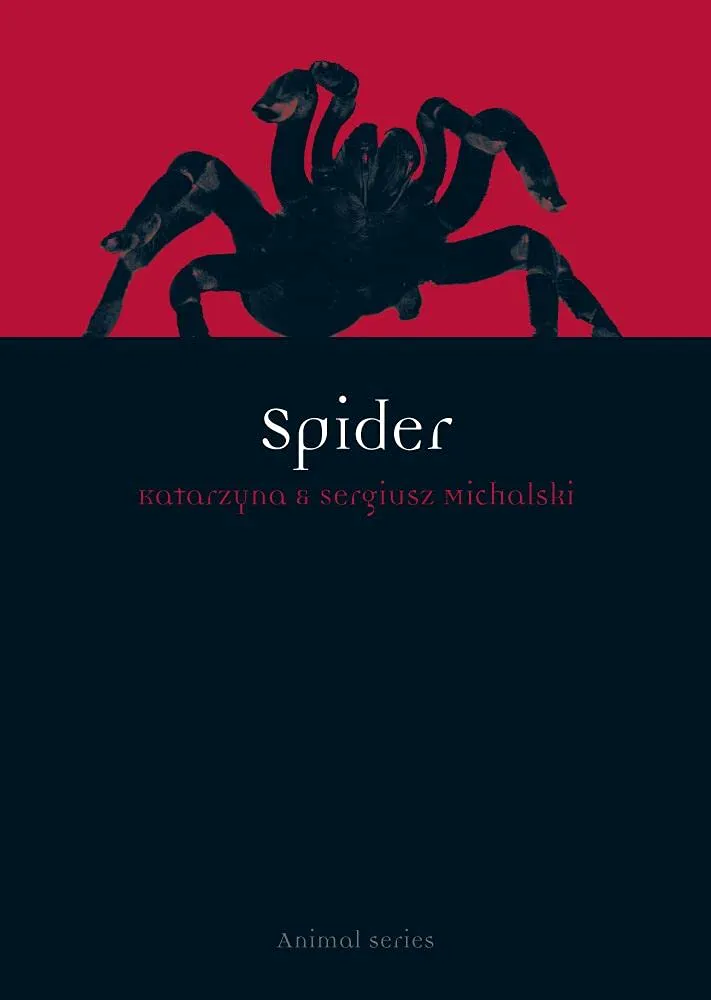
The spider has a rich symbolic presence in the human imagination. Seen as representing death, due to its poisoned fangs and pitiless, predatory nature, the spider can also represent both creativity and creation: it weaves an intricate web and females carry a sac containing thousands of eggs. Spiders of course are also feared and reviled because of their appearance and skittery, spasmodic movements. In this comprehensive study, Katarzyna and Sergiusz Michalski investigate the cultural significance of the spider, as well as presenting the natural history of this fascinating, ancient creature. Spider analyses the arachnid’s appearance in the literature of Dostoyevsky and Hugo, and the many depictions of the spider in art, paying particular attention to the sculptures of Louise Bourgeois. Horror stories, science fiction, folklore and children’s tales are reviewed, as well as the affliction of arachnophobia, and the procedures used in curing the condition. The psychological association of the spider with dominant women or mothers is explored, as is the role of the spider metaphor in Freudian and Jungian psychoanalysis. This in-depth account closes with an analysis of the way in which the sinister nature of the spider lends itself to unfavourable portrayal in film. A thorough, wide-ranging account of the natural and cultural history of the spider, this book will appeal to anybody who admires, or fears, this complex, delicate yet powerful creature.
Log in to write a review for this book.
No reviews yet. Be the first to share your opinion.
Biography not available.