Kim Todd Author
Biography not available.

Browse all ART CRITICISM books
Browse all Ashworth books
Browse all FOLKLORE books
Browse all GARDENS books
Browse all GRAPHIC NOVELS books
Browse all Hamilton books
Browse all HISTORY - MEDIEVAL books
Browse all HUMOUR books
Browse all KINDRED books
Browse all LITERARY STUDIES books
Browse all LONDON books
Browse all Lozada books
Browse all Medical : Nursing - Mental Health books
Browse all MIND books
Browse all MUSEOLOGY books
Browse all NON-CLASSIFIABLE books
Browse all NONLINEAR SCIENCE books
Browse all Ormonde books
Browse all POPULAR SCIENCE books
Browse all RELIGIOUS STUDIES books
Browse all SPIRIT books
Browse all SPORT books
Browse all TRAVEL WRITING books
 Out of Stock
Paperback · ISBN 9781861898753
Inclusive of GST and other taxes
Arriving at your doorstep in 8-10 days
Our logisitcs team will make sure everyitem is delivered safely
| ISBN | 9781861898753 |
|---|---|
| Publisher | Reaktion Books |
| Language | English |
| MRP | £14.95 GBP |
| Page count | 192 |
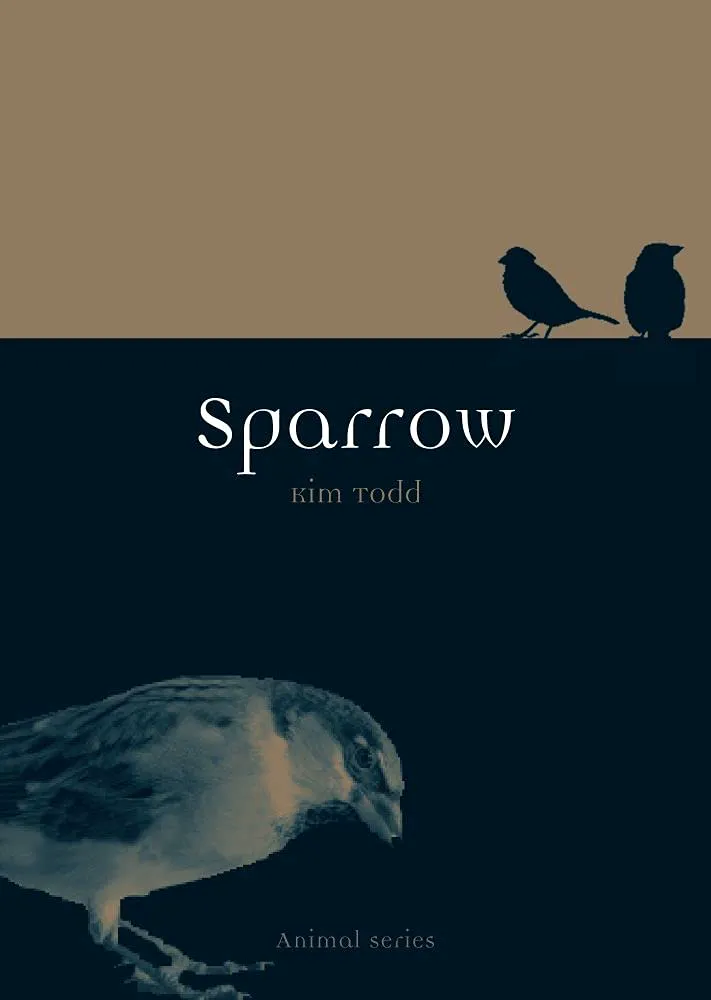
Innocent. Invader. Lover. Thief. Sparrows are everywhere, in many guises. They are cherished pets, subject of elegies by Catullus and John Skelton, listed as ‘pretty things’ in Sei Shonagon’s Pillow Book. They’re grimy, urban vermin with shocking manners, so reviled that during the 1950s Mao placed them on the list of 'Four Pests’ and ordered the Chinese people to kill them all. In many countries they are appallingly successful non-natives, attacking indigenous birds and ravaging ecosystems. Able to live in the Arctic and the desert, from Beijing to San Francisco, the house sparrow is the most widespread wild bird in the world. In Sparrow, award-winning science and natural history writer Kim Todd explores the complex history, biology and literary tradition of this bird that embodies the word ‘common’. In literature, the New Testament claimed that not a sparrow falls without God noting it; the idea of the precious sparrow developed from Hamlet to twentieth-century gospel hymns; the bold, defiant sparrow appears in many folk and fairy tales. The author explores Old World sparrows, like the house sparrow, which can nest in a garage or in an airport, and New World sparrows, which often stake their claim to remote islands or meadows in the high Sierra. Todd looks at the nineteenth-century ‘Sparrow War’ in the USA - a battle over the sparrow’s introduction - which set the stage for decades of discussions of invasive species. She examines the ways in which sparrows have taught us about evolution, and the recent decline of house sparrows in cities globally. This disappearance of a bird that seemed hardwired for success remains an ornithological mystery. With lush illustrations, ranging from early woodcuts and illustrated manuscripts to contemporary wildlife photography, this is the first book-length exploration of the natural and cultural history of this cheeky and ubiquitous bird.
Log in to write a review for this book.
No reviews yet. Be the first to share your opinion.
Biography not available.