Witts, Richard Author
Biography not available.

Browse all FOLKLORE books
Browse all GARDENS books
Browse all GRAPHIC NOVELS books
Browse all HISTORY - MEDIEVAL books
Browse all HUMOUR books
Browse all Juvenile Fiction : Biographical - Other books
Browse all Juvenile Fiction : Historical - Other books
Browse all Juvenile Fiction : Legends, Myths, & Fables - Other books
Browse all Juvenile Fiction : People & Places - Other books
Browse all Juvenile Fiction : People & Places - United States - Other books
Browse all Juvenile Fiction : Religious - Other books
Browse all Juvenile Nonfiction : History - Other books
Browse all Juvenile Nonfiction : Mathematics - Advanced books
Browse all Juvenile Nonfiction : People & Places - Other books
Browse all Juvenile Nonfiction : People & Places - United States - Othe books
Browse all LITERARY STUDIES books
Browse all LONDON books
Browse all Medical : Nursing - Mental Health books
Browse all MIND books
Browse all MUSEOLOGY books
Browse all NON-CLASSIFIABLE books
Browse all NONLINEAR SCIENCE books
Browse all POPULAR SCIENCE books
Browse all RELIGIOUS STUDIES books
Browse all SPIRIT books
Browse all SPORT books
Browse all TRAVEL WRITING books
 Out of Stock
VELVET UNDERGROUND
Paperback · ISBN 9781904768272
Inclusive of GST and other taxes
Arriving at your doorstep in 10-15 days
Our logisitcs team will make sure everyitem is delivered safely
| ISBN | 9781904768272 |
|---|---|
| Subtitle | VELVET UNDERGROUND |
| Publisher | Equinox Publishing Ltd |
| Publication date | June 2006 |
| Language | English |
| MRP | £20.95 GBP |
| Page count | 184 |
| Item weight | 53 g |
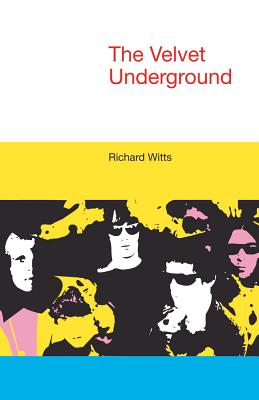
Though The Velvet Underground existed for less than three years with its original members, it is considered to be not just the 'ultimate New York band' but also the most influential group ever. Artists who have acknowledged such influence include David Bowie, The Sex Pistols, Patti Smith, Joy Division and Nirvana. Witts places the band and its genesis in the cultural context of Manhattan's beatnik bohemianism, its radical artistic environment, and the city's negative reaction to California's 'Hippie' counterculture. Lou Reed's song factory background is also considered, while his Primitives (1964-5) and Velvet Underground songs (1965-70) are examined within the stylistic context of rock music. The band's sound world is likewise considered in this light. John Cale's experimental contribution is assessed, especially his work for LaMonte Young (The Theatre of Eternal Music) and what he carried from that experience into the Velvet's sound. The visual artist Andy Warhol became the band's manager and producer in 1965. He placed his 'superstar' Nico in the line-up (which already included a female drummer). The radical nature of the group's Warhol period performances are examined, together with those aspects related to issues of gender, sexuality and drugs culture by which the Warhol Factory scene was identified, and contemplated in Reed's songs. Witts examines the musical influences of the Velvets on punk, post-punk and subsequent rock movements, culminating in the group's reunion of 1993. He also indexes the variety of media constructions that the group endured through the years and how these affected Cale, Nico and Reed and their attempts to establish solo careers.
Log in to write a review for this book.
No reviews yet. Be the first to share your opinion.
Biography not available.