Vitale, Valeria Editor
Biography not available.

Browse all FOLKLORE books
Browse all GARDENS books
Browse all GRAPHIC NOVELS books
Browse all HISTORY - MEDIEVAL books
Browse all HUMOUR books
Browse all Juvenile Fiction : Biographical - Other books
Browse all Juvenile Fiction : Historical - Other books
Browse all Juvenile Fiction : Legends, Myths, & Fables - Other books
Browse all Juvenile Fiction : People & Places - Other books
Browse all Juvenile Fiction : People & Places - United States - Other books
Browse all Juvenile Fiction : Religious - Other books
Browse all Juvenile Nonfiction : History - Other books
Browse all Juvenile Nonfiction : Mathematics - Advanced books
Browse all Juvenile Nonfiction : People & Places - Other books
Browse all Juvenile Nonfiction : People & Places - United States - Othe books
Browse all LITERARY STUDIES books
Browse all LONDON books
Browse all Medical : Nursing - Mental Health books
Browse all MIND books
Browse all MUSEOLOGY books
Browse all NON-CLASSIFIABLE books
Browse all NONLINEAR SCIENCE books
Browse all POPULAR SCIENCE books
Browse all RELIGIOUS STUDIES books
Browse all SPIRIT books
Browse all SPORT books
Browse all TRAVEL WRITING books
 Out of Stock
Hardback · ISBN 9781912250820
Inclusive of GST and other taxes
Arriving at your doorstep in 10-15 days
Our logisitcs team will make sure everyitem is delivered safely
| ISBN | 9781912250820 |
|---|---|
| Publisher | University of London Press |
| Publication date | October 2026 |
| Language | English |
| MRP | £90.00 GBP |
| Page count | 270 |
| Item weight | 152 g |
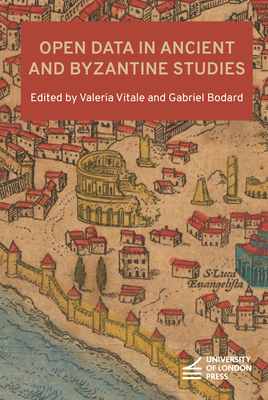
This volume presents case studies in classical and Byzantine research that exemplify practices, structures and standards in open data which transform and subvert historical scholarship. It leverages new data publication methods and embeds them as part of its argument, exploring the potential of non-linear discourse, multimedia content and data visualisation. Individual chapters illustrate how open scholarship enables a shift from authority-based interpretative frameworks to transparent, collaborative approaches, and combining datasets allows for analysis and comparisons at unprecedented scales, empowers researchers and elicits creative and original responses to old and new research questions.
Collaborative practices and data models lead historians to reflect rigorously and openly on assumptions, definitions and biases, encouraging more diverse approaches to interpretation of ancient sources. The different perspectives, methodologies, disciplines and research questions showcased in this book highlight the role of open data and code in the pursuit of historical research questions and the creation of new knowledge. It demonstrates that methods like linked open data, open licensing, documentation of standards and the publication of code influence the development of open data, tools and workflows, and are in turn nourished by a rich, sustainable classical open data ecosystem.
Log in to write a review for this book.
No reviews yet. Be the first to share your opinion.
Biography not available.
Biography not available.