Yang, Dr. Paul Author
Biography not available.

Browse all FOLKLORE books
Browse all GARDENS books
Browse all GRAPHIC NOVELS books
Browse all HISTORY - MEDIEVAL books
Browse all HUMOUR books
Browse all Juvenile Fiction : Biographical - Other books
Browse all Juvenile Fiction : Historical - Other books
Browse all Juvenile Fiction : Legends, Myths, & Fables - Other books
Browse all Juvenile Fiction : People & Places - Other books
Browse all Juvenile Fiction : People & Places - United States - Other books
Browse all Juvenile Fiction : Religious - Other books
Browse all Juvenile Nonfiction : History - Other books
Browse all Juvenile Nonfiction : Mathematics - Advanced books
Browse all Juvenile Nonfiction : People & Places - Other books
Browse all Juvenile Nonfiction : People & Places - United States - Othe books
Browse all LITERARY STUDIES books
Browse all LONDON books
Browse all Medical : Nursing - Mental Health books
Browse all MIND books
Browse all MUSEOLOGY books
Browse all NON-CLASSIFIABLE books
Browse all NONLINEAR SCIENCE books
Browse all POPULAR SCIENCE books
Browse all RELIGIOUS STUDIES books
Browse all SPIRIT books
Browse all SPORT books
Browse all TRAVEL WRITING books
 Out of Stock
Paperback · ISBN 9781917667777
Inclusive of GST and other taxes
Arriving at your doorstep in 10-15 days
Our logisitcs team will make sure everyitem is delivered safely
| ISBN | 9781917667777 |
|---|---|
| Publisher | Dr. Paul Yang |
| Publication date | December 2024 |
| Language | English |
| MRP | £11.99 GBP |
| Page count | 124 |
| Item weight | 68 g |
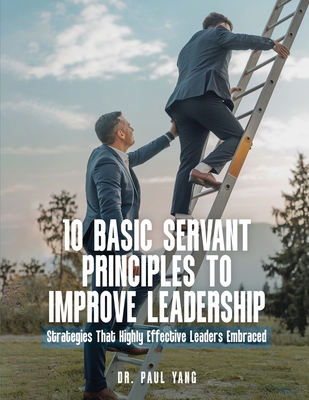
Servant leadership, rooted in Robert Greenleaf's theory, emphasizes leaders as role models who lead by nurturing and supporting others. This approach is essential in law enforcement, where leaders often face challenging, unpredictable decisions. Traditional autocratic leadership-characterized by strict command and control-is common in police work due to the need for quick decision-making. However, this style can overlook the importance of engaging and developing current employees, which is critical as police agencies struggle with technological advances, recruitment and retention issues, community trust erosion, and low morale.
This research examines servant leadership through ten fundamental principles: listening, empathy, healing, awareness, persuasion, conceptualization, foresight, stewardship, commitment to growth, and building community. These traits are explored in police agencies to assess their impact on job performance and satisfaction. Few studies have focused on servant leadership in law enforcement, leaving a gap in understanding its potential benefits. By addressing this gap, the study investigates how servant leadership may improve employee perceptions, positively affecting performance, job satisfaction, and recruitment and retention in policing, which could be critical in addressing the profession's ongoing challenges.
Log in to write a review for this book.
No reviews yet. Be the first to share your opinion.
Biography not available.