Bloy, Léon Author
Biography not available.

Browse all FOLKLORE books
Browse all GARDENS books
Browse all GRAPHIC NOVELS books
Browse all HISTORY - MEDIEVAL books
Browse all HUMOUR books
Browse all Juvenile Fiction : Biographical - Other books
Browse all Juvenile Fiction : Historical - Other books
Browse all Juvenile Fiction : Legends, Myths, & Fables - Other books
Browse all Juvenile Fiction : People & Places - Other books
Browse all Juvenile Fiction : People & Places - United States - Other books
Browse all Juvenile Fiction : Religious - Other books
Browse all Juvenile Nonfiction : History - Other books
Browse all Juvenile Nonfiction : Mathematics - Advanced books
Browse all Juvenile Nonfiction : People & Places - Other books
Browse all Juvenile Nonfiction : People & Places - United States - Othe books
Browse all LITERARY STUDIES books
Browse all LONDON books
Browse all Medical : Nursing - Mental Health books
Browse all MIND books
Browse all MUSEOLOGY books
Browse all NON-CLASSIFIABLE books
Browse all NONLINEAR SCIENCE books
Browse all POPULAR SCIENCE books
Browse all RELIGIOUS STUDIES books
Browse all SPIRIT books
Browse all SPORT books
Browse all TRAVEL WRITING books
 Out of Stock
Paperback · ISBN 9781955392310
Inclusive of GST and other taxes
Arriving at your doorstep in 5-7 days
Our logisitcs team will make sure everyitem is delivered safely
| ISBN | 9781955392310 |
|---|---|
| Publisher | Sunny Lou Publishing |
| Publication date | July 2022 |
| Language | English |
| MRP | £14.99 GBP |
| Page count | 200 |
| Item weight | 49 g |
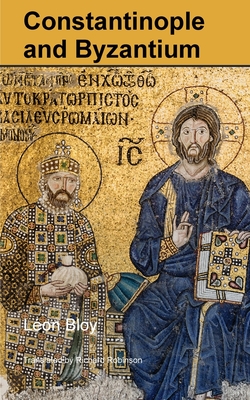
Constantinople and Byzantium by Léon Bloy (1846-1917) was originally published in book form in 1917, itself a "definitive re-printing of The Byzantine Epic and Gustave Schlumberger, published in 1906 by the Nouvelle Revue." This book is a summary and interpretation then, à la Bloy, of Schlumbergerʼs "trilogy" with its focus on the Macedonian dynasty of Byzantium from the middle of the tenth century to the middle of the eleventh. It covers the rise and fall of such warrior emperors as Nicephorus Phocas, John Tzimiskes, and Basil II, the "Bulgar Slayer," under whom the Eastern Roman Empire experienced a kind of Renaissance, after a long series of wars with Bulgars, Rus (Russians), Saracens, and later Normans, to name only a few peoples, in the years and decades immediately preceding the Crusades. The last chapter treats of the two Porphyrogenita ("born in the purple") empresses, Zoe and Theodora, "last branches of the Macedonian oak."
"It is proven that God has no need of anyoneʼs ʻday after,ʼ and that his eternal today satisfies him. Pettiness is no less asked for than Greatness in the laboratory of prodigies. Disparate or desperate successions operate inexpressibly in a mysterious and adored way, in view of compensations or ineffable recuperations. So it is very simple that a series of mediocre or abject emperors should succeed a personage like the great Basil in order to destroy his work. Thirty years after his death, in 1055, his empire was ruined forever."
Log in to write a review for this book.
No reviews yet. Be the first to share your opinion.
Biography not available.
Biography not available.