Hawk, David L Author
Biography not available.

Browse all FOLKLORE books
Browse all GARDENS books
Browse all GRAPHIC NOVELS books
Browse all HISTORY - MEDIEVAL books
Browse all HUMOUR books
Browse all Juvenile Fiction : Biographical - Other books
Browse all Juvenile Fiction : Historical - Other books
Browse all Juvenile Fiction : Legends, Myths, & Fables - Other books
Browse all Juvenile Fiction : People & Places - Other books
Browse all Juvenile Fiction : People & Places - United States - Other books
Browse all Juvenile Fiction : Religious - Other books
Browse all Juvenile Nonfiction : History - Other books
Browse all Juvenile Nonfiction : Mathematics - Advanced books
Browse all Juvenile Nonfiction : People & Places - Other books
Browse all Juvenile Nonfiction : People & Places - United States - Othe books
Browse all LITERARY STUDIES books
Browse all LONDON books
Browse all Medical : Nursing - Mental Health books
Browse all MIND books
Browse all MUSEOLOGY books
Browse all NON-CLASSIFIABLE books
Browse all NONLINEAR SCIENCE books
Browse all POPULAR SCIENCE books
Browse all RELIGIOUS STUDIES books
Browse all SPIRIT books
Browse all SPORT books
Browse all TRAVEL WRITING books
 Out of Stock
Hardback · ISBN 9781967361472
Inclusive of GST and other taxes
Arriving at your doorstep in 10-15 days
Our logisitcs team will make sure everyitem is delivered safely
| ISBN | 9781967361472 |
|---|---|
| Publisher | Leavitt Peak Press |
| Publication date | April 2025 |
| Language | English |
| MRP | £16.99 GBP |
| Page count | 400 |
| Item weight | 155 g |
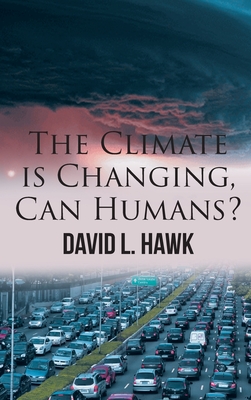
This is a revision of a book beginning as a text for concerned students in European management courses, titled: "Short-Term Gain, Long-Term Pain." It posed an alternative thesis to what was being taught in most management and economics courses in most schools. That book introduced the notion that climate change was about to visit the business as usual they were being educated in. As such it outlined why and how they should seek innovative ideas and practices in what I called "business as unusual." From that book a couple of schools were considering renaming their programs to better match changes in student thinking and values in case business as usual would come to mean no business. Climate change consequences were already beginning to be realized at that time.
This book goes further and deeper into the need to change human thinking to prepare for the impending future, a future created during a human past since 1850 called the industrial. Its initial title of "Will Humans Change" was changed as suggested by science to focus on "Can humans Change." The first title deals with willingness. This change deals with the dire emergence of is it possible for humans to change as it is entropically too late?
Log in to write a review for this book.
No reviews yet. Be the first to share your opinion.
Biography not available.