Arcadi, James M. Author
Biography not available.

Browse all FOLKLORE books
Browse all GARDENS books
Browse all GRAPHIC NOVELS books
Browse all HISTORY - MEDIEVAL books
Browse all HUMOUR books
Browse all Juvenile Fiction : Biographical - Other books
Browse all Juvenile Fiction : Historical - Other books
Browse all Juvenile Fiction : Legends, Myths, & Fables - Other books
Browse all Juvenile Fiction : People & Places - Other books
Browse all Juvenile Fiction : People & Places - United States - Other books
Browse all Juvenile Fiction : Religious - Other books
Browse all Juvenile Nonfiction : History - Other books
Browse all Juvenile Nonfiction : Mathematics - Advanced books
Browse all Juvenile Nonfiction : People & Places - Other books
Browse all Juvenile Nonfiction : People & Places - United States - Othe books
Browse all LITERARY STUDIES books
Browse all LONDON books
Browse all Medical : Nursing - Mental Health books
Browse all MIND books
Browse all MUSEOLOGY books
Browse all NON-CLASSIFIABLE books
Browse all NONLINEAR SCIENCE books
Browse all POPULAR SCIENCE books
Browse all RELIGIOUS STUDIES books
Browse all SPIRIT books
Browse all SPORT books
Browse all TRAVEL WRITING books
 Out of Stock
Hardback · ISBN 9781978701441
Inclusive of GST and other taxes
Arriving at your doorstep in 10-15 days
Our logisitcs team will make sure everyitem is delivered safely
| ISBN | 9781978701441 |
|---|---|
| Publisher | Fortress Academic |
| Publication date | August 2023 |
| Language | English |
| MRP | £75.00 GBP |
| Page count | 192 |
| Item weight | 100 g |
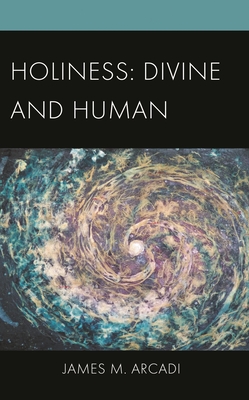
Holiness might seem like a simple concept. Yet, when one compares the array of objects that are called "holy" in the Hebrew Scriptures and Christian New Testament, there may seem to be no points of similarity between God, humans, time, land, temple accoutrements, etc. However, in this book, James M. Arcadi hypothesizes a unitary account of the definition of holiness. What unites holy objects, Arcadi argues, is divine ownership. Holy objects belong to God. In application to God, this motif has profound implications for how one conceives of God and the God-world relation. In application to humans, this book argues that the ownership theme unfurls new insights on a range of doctrinal loci including the doctrines of the imago Dei, justification, atonement, sanctification, and liturgical theology. Bringing biblical studies in conversation with contemporary analytic philosophy, this book offers an analytic systematic theology of holiness.
Log in to write a review for this book.
No reviews yet. Be the first to share your opinion.
Biography not available.